


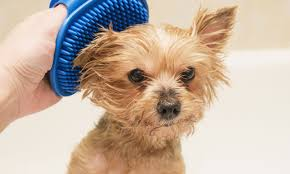
Proper fur care is essential for maintaining your pet’s health, comfort, and appearance. Many pet owners have the best intentions when it comes to grooming their furry companions, yet they inadvertently make mistakes that can lead to matted coats, skin irritation, or other preventable issues. Understanding common pitfalls in pet fur maintenance can help you develop better grooming habits that benefit both you and your pet. Whether you have a long-haired Persian cat or a short-coated Labrador, avoiding these frequent errors will keep your pet’s coat in optimal condition.
1. Brushing Too Infrequently or Using the Wrong Brush
One of the most prevalent mistakes pet owners make is failing to brush their pet’s fur regularly enough for their specific coat type. Different breeds require vastly different brushing schedules, long-haired breeds often need daily attention while short-haired varieties may only need weekly sessions. When you allow too much time to pass between brushing sessions, loose fur accumulates and can form painful mats and tangles that pull on the skin. Additionally, using an inappropriate brush for your pet’s coat type renders the grooming session largely ineffective.
2. Bathing Too Often or Using Human Shampoo Products
Many well-meaning pet owners believe that frequent baths keep their pet’s fur cleaner and healthier, but over-bathing actually strips away natural oils that protect the skin and coat. Most dogs only need bathing every four to six weeks unless they have gotten particularly dirty or have specific skin conditions requiring medicated baths. Cats typically groom themselves effectively and rarely need full baths unless they have mobility issues or extremely long fur. Using human shampoo or even baby shampoo on your pet is another common error that can disrupt the pH balance of their skin, leading to dryness, irritation, and itching.
3. Neglecting to Check for Skin Issues During Grooming
Grooming sessions provide the perfect opportunity to examine your pet’s skin for potential health problems, yet many owners focus solely on the appearance of the fur itself. Failing to part the fur and inspect the skin beneath means you might miss early warning signs of parasites, allergies, infections, or unusual lumps. Regular skin checks allow you to detect fleas, ticks, or flea dirt before an infestation becomes severe and more difficult to treat. You should also watch for hot spots, which are inflamed, moist areas of skin that can develop rapidly and cause significant discomfort for your pet.
4. Cutting Mats Out Instead of Properly Removing Them
When pet owners discover mats in their pet’s fur, they often reach for scissors to quickly cut them out, creating an uneven appearance and potentially injuring the pet. Cutting mats without proper technique poses serious risks because skin can easily get caught in the scissors, especially in areas where the mat is tight against the body. Professional groomers use specialized tools like mat splitters and dematting combs that safely break up tangled fur without cutting the coat or risking injury. For minor mats, you can often work them out gradually using your fingers and a detangling spray, starting at the edges and working toward the center with patience. Severe matting may require professional intervention through dog grooming in Wendell NC or, in extreme cases, shaving the affected areas to start fresh with proper maintenance going forward. Prevention through regular brushing remains the best strategy, as established mats become increasingly difficult to remove and can cause skin irritation and pain for your pet.
5. Ignoring Seasonal Coat Changes and Shedding Cycles
Pet owners frequently fail to adjust their grooming routine to accommodate their pet’s natural shedding patterns and seasonal coat changes. Many breeds experience heavy shedding periods, typically in spring and fall, when they lose their winter or summer coats to prepare for temperature changes. During these peak shedding times, your regular brushing frequency may be completely inadequate to manage the volume of loose fur your pet is releasing. Increasing brushing sessions to daily during heavy shedding periods helps remove dead hair before it ends up all over your furniture and floors, making your life considerably easier.
6. Overlooking the Importance of Diet and Hydration for Coat Health
Many pet owners do not realize that nutrition plays a crucial role in maintaining healthy fur, focusing only on external grooming practices while neglecting internal factors. A diet lacking in essential fatty acids, particularly omega-3 and omega-6, will result in a dull, brittle coat regardless of how often you brush or bathe your pet. Quality protein is equally important because hair is primarily composed of protein, and insufficient dietary protein leads to weak, thin fur that breaks easily. Inadequate hydration also manifests in the coat’s appearance, causing dryness and reducing the skin’s ability to produce protective oils that keep fur lustrous.
Conclusion
Caring for your pet’s fur properly requires more than good intentions and involves understanding the specific needs of your pet’s coat type and overall health. By avoiding these six common mistakes, you can develop a grooming routine that keeps your pet comfortable, healthy, and looking their best throughout every season. Remember that regular brushing with appropriate tools, proper bathing frequency, thorough skin inspections, safe mat removal, seasonal adjustments, and adequate nutrition all work together to maintain optimal coat condition. When grooming challenges arise that you cannot handle at home, seeking professional guidance ensures your pet receives the care they need without unnecessary stress or risk of injury.
