


A happy Easter in the United Kingdom is a curious blend of the sacred, the secular, and the deeply chocolatey. For many British families, the long weekend signals the first real taste of spring, with daffodils nodding in the garden and the promise of lighter evenings ahead. Unlike the commercial frenzy of Christmas, Easter in Britain retains a quieter, more gentle charm. It is a time for slow mornings, rolled chocolate eggs across the living room carpet, and the annual argument about whether the simnel cake should have eleven or twelve marzipan balls. From church services at dawn to the ritualistic consumption of hot cross buns straight from the toaster, the British approach to Easter is distinctly understated yet fiercely traditional. Understanding these customs is the key to unlocking a genuinely happy Easter, whether you are hosting a family lunch or simply enjoying the four-day break.
The history of the British Easter weekend
The modern British happy Easter celebration is built upon centuries of religious and pagan tradition. The word Easter itself is believed to derive from Eostre, the Anglo-Saxon goddess of spring and dawn, whose festival celebrated the vernal equinox. When Christianity spread across the British Isles, the existing spring celebrations were absorbed into the Resurrection narrative. The Easter weekend officially begins on Good Friday, a bank holiday marking the crucifixion, and culminates on Easter Monday, another day off work that is uniquely British. Historically, this was a day for egg rolling, football matches, and the start of the summer social season. Today, the two bank holidays sandwiching the weekend give Britons one of the most generous spring breaks in Europe, allowing for city breaks, garden centre visits, and, of course, the consumption of far too many chocolate eggs. The longevity of these traditions explains why the British feel such a strong emotional pull towards a happy Easter, even among those who do not attend church.
The unshakeable tradition of the hot cross bun
No discussion of a happy Easter in the UK is complete without paying homage to the hot cross bun. These spiced, fruit-filled buns, marked with a white flour cross on top, are available in supermarkets from New Year’s Day onwards, but they only truly taste correct during Holy Week. The tradition dates back to Tudor times, when a London by-law prohibited the sale of spiced buns except at funerals, at Christmas, or on Good Friday. The cross represents the crucifixion, and folklore claims that buns baked on Good Friday never go mouldy and can be kept as a charm for the pantry. Modern British families enjoy them split, toasted, and slathered with salted butter, served alongside a strong cup of tea. For a truly happy Easter, consider making your own using a traditional recipe involving mixed spice, currants, and candied peel. The smell of hot cross buns toasting on Good Friday morning is arguably the most evocative scent of the entire British calendar.
Chocolate eggs and the great British egg hunt
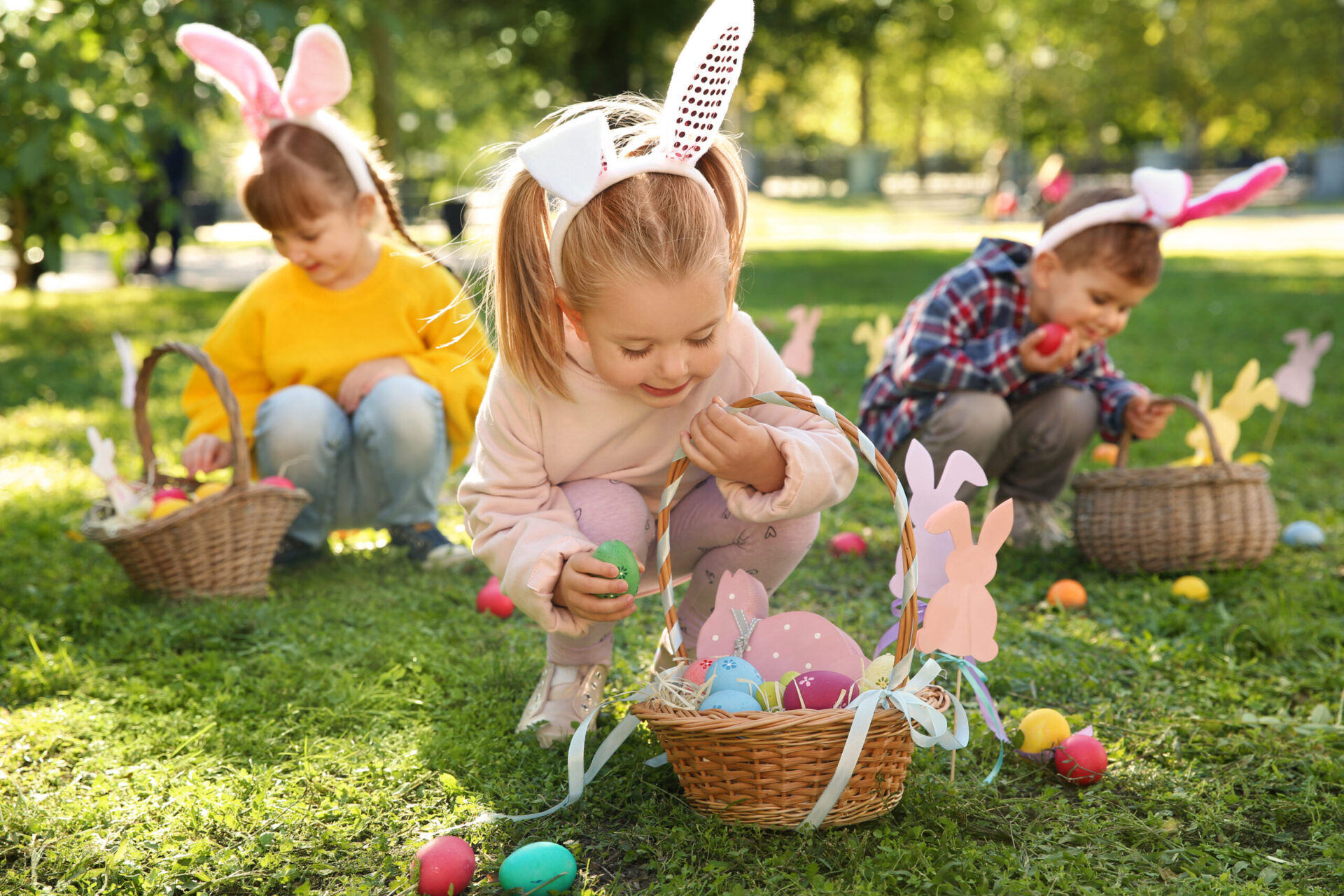
The commercial heart of a happy Easter lies in chocolate, and the British chocolate egg market is a phenomenon of staggering proportions. Unlike in some European countries where real painted eggs dominate, the UK has fully embraced the hollow milk chocolate egg, usually accompanied by a small bag of mini eggs or a chocolate bar. The ritual begins weeks before Easter Sunday, with supermarket aisles dedicated entirely to eggs wrapped in shiny foil. On Easter morning, children wake to find that the Easter Bunny has visited, hiding eggs around the house and garden. This leads to the great British egg hunt, a chaotic but joyful scramble involving wicker baskets, competitive siblings, and the inevitable discovery of a melted egg behind the radiator. For adults, the quality of the chocolate matters. Brands such as Hotel Chocolat, Green & Black’s, and the classic Cadbury Creme Egg dominate the market. A happy Easter is measured not by religious observance but by the thickness of the chocolate shell and the creativity of the hiding spots.
Simnel cake and the Easter Sunday lunch
Easter Sunday lunch is the second most important family meal of the British year, trailing only Christmas dinner. The centrepiece is often roast lamb, symbolising spring and new life, accompanied by seasonal vegetables such as asparagus, new potatoes, and mint sauce. However, the true star of the dessert table is the simnel cake. This is a light fruit cake layered with almond marzipan, topped with a further layer of marzipan, and decorated with eleven marzipan balls representing the eleven faithful apostles (Judas is omitted). The cake is traditionally baked on the Saturday before Palm Sunday and eaten over the Easter weekend. For a happy Easter with a regional twist, families in the North of England might serve a figgy pudding called a “Easter ledger,” while those in the West Country might enjoy “tansy cakes,” a herb-infused pudding that has largely fallen out of favour. The key to a successful Easter lunch is pacing. One cannot charge through a plate of lamb and then fail to find room for a slice of simnel cake with a pot of clotted cream.
Egg rolling and traditional Easter games
While chocolate dominates the indoor activities, a truly happy Easter in Britain often requires venturing outdoors for the ancient tradition of egg rolling. This custom, observed on Easter Monday, involves rolling hard-boiled, decorated eggs down a grassy hill. The winner is the person whose egg travels the furthest without cracking. The most famous location for this is Avenham Park in Preston, Lancashire, where hundreds of families gather each year. Other notable sites include the grounds of the National Trust’s Blickling Hall in Norfolk and the steep slopes of Edinburgh’s Arthur’s Seat. The symbolism of the rolling egg represents the rolling away of the stone from Christ’s tomb, though most participants are simply enjoying the competition. For a modern twist, some families now use empty chocolate egg shells, though these tend to shatter immediately. Alongside egg rolling, traditional British Easter fairs offer maypole dancing, morris dancing, and the eating of “pace eggs,” which are hard-boiled eggs dyed with onion skins to produce a rich bronze colour.
A comparative table of British Easter traditions by region
To help you plan a happy Easter that reflects the diversity of the United Kingdom, the table below outlines how different regions put their own stamp on the holiday weekend.
| Region | Unique Easter Tradition | Typical Food Speciality |
| Lancashire | Egg rolling at Avenham Park | Butter pie (lent pie) |
| Scotland | Pace egging (guising similar to Halloween) | Tablet (sugary confection) |
| Cornwall | Lighting of the “Easter Fires” on hills | Hevva cake |
| Northern Ireland | Easter Monday sports and Gaelic games | Soda farls with fried egg |
| Wales | Cerddwn y Rosp (singing processions) | Welsh cawl with lamb |
The role of the Easter Bunny in British culture
The Easter Bunny is a relatively late arrival to the British happy Easter tradition, imported from German folklore via the United States. Historically, British children believed that the Easter Hare laid eggs for well-behaved youngsters, but the creature was never as central as Father Christmas. Today, the fluffy, chocolate-delivering bunny is ubiquitous. Supermarkets sell bunny ears for children to wear, and garden centres host “Breakfast with the Easter Bunny” events that sell out months in advance. Unlike the American tradition, where the bunny hides elaborate baskets, the British version is simpler. A small wicker basket or even a cereal bowl will suffice. The bunny typically visits on the night before Easter Sunday, leaving a trail of mini eggs from the child’s bedroom door to the garden. Parents often explain that the bunny is shy and will not stay to be photographed. This gentle ambiguity is perfectly British. A happy Easter does not require a man in a costume; it requires the quiet magic of a child finding a foil-wrapped egg in a slipper.
Church services and the Easter vigil
For those seeking a more reflective happy Easter, the Church of England and the Catholic Church in Britain offer some of the most moving services of the year. The Easter Vigil, held on Holy Saturday night, begins in complete darkness. A new fire is lit outside the church, and the Paschal candle is blessed. As the candle is processed through the nave, the congregation lights their own candles, and the church gradually fills with flickering light. This is followed by the Exsultet, an ancient chant proclaiming the Resurrection. On Easter Sunday morning, many churches hold a dawn service, sometimes outdoors in a churchyard or on a hilltop, to greet the rising sun as the women first visited the empty tomb. Even non-religious Britons sometimes attend these services for the sense of community and the magnificent choral music. A happy Easter, in this context, is not about chocolate but about hope, renewal, and the astonishing beauty of a spring dawn over a village green.
How to host a relaxed British Easter at home
You do not need to be an expert baker or a craft enthusiast to deliver a happy Easter for your household. The secret to a relaxed British Easter is to lower your expectations and lean into convenience. Buy your chocolate eggs from the supermarket shelf, not a specialist chocolatier. Purchase pre-made hot cross buns from the bakery aisle and warm them in the oven for three minutes to fake a homemade aroma. For the egg hunt, hide the same six eggs repeatedly, because young children will not notice. For the Easter lunch, ask guests to bring a dish: one brings the lamb, another the vegetables, another the simnel cake. Do not attempt to roast a whole lamb on a spit unless you have a professional kitchen. The most important ingredient for a happy Easter is not food but company. Set the table with a cheap bunch of daffodils from the petrol station, light a single candle, and do not stress about the gravy. If the eggs roll off the table and crack on the floor, laugh and call it a tradition.
Conclusion and frequently asked questions
A happy Easter in the United Kingdom is a wonderfully flexible celebration. It can be deeply religious, entirely secular, or a messy hybrid involving chocolate, lamb, and a small plastic rabbit. The traditions of hot cross buns, egg rolling, and simnel cake connect modern Britons to centuries of history, while the commercial embrace of chocolate eggs and bunny merchandise keeps the holiday accessible and fun. Whether you spend the long weekend in a cathedral choir stall or on the living room floor surrounded by foil wrappers, the goal is the same: to welcome spring, share food with loved ones, and enjoy four precious days away from work. With a little planning and a lot of tea, a truly happy Easter is within everyone’s reach.
Why do British people eat hot cross buns at Easter?
Hot cross buns are traditionally eaten on Good Friday to commemorate the crucifixion. The cross on top represents the cross of Calvary, and the spices inside symbolise the spices used to embalm Jesus. The tradition dates back to the sixteenth century.
Is Easter Monday a public holiday in the whole of the UK?
Yes, Easter Monday is a bank holiday across England, Wales, and Northern Ireland. Scotland also observes Easter Monday as a bank holiday, though many Scottish businesses remain open. Schools across all four nations are closed for the Easter break.
What is the difference between simnel cake and Christmas cake?
Simnel cake is a lighter fruit cake than Christmas cake. It contains less alcohol (often none) and features a distinctive layer of marzipan both through the middle and on top. The eleven marzipan balls are unique to Easter. Christmas cake is denser, darker, and covered in royal icing.
Do British people decorate Easter eggs like in other countries?
Yes, but it is less common than in Germany or Poland. Many British primary schools still hold egg decorating competitions using blown eggs or hard-boiled eggs. Natural dyes made from onion skins, beetroot, and turmeric are popular for a traditional finish.
Why is lamb the traditional Easter meat in the UK?
Lamb represents Christ as the “Lamb of God” in Christian theology. Additionally, spring lamb is at its best and most tender in April, making it the natural seasonal choice. Historically, after forty days of Lenten fasting, eating rich meat was a celebration.
Can I get a happy Easter greeting card in British shops?
Absolutely. Easter cards are a significant market in the UK, though smaller than Christmas. Common designs feature chicks, lambs, daffodils, and, increasingly, humorous messages about chocolate consumption. Many Britons send Easter cards to family members they will not see over the weekend.
You may also read: Paddington Station as a portal to Peru
