Author: admin

  • ‘I felt trapped’: The hidden struggle of eating disorders facing pregnant women

    Pregnancy can be a “perfect storm” for eating disorders that is often overlooked. But researchers say it can also be a pivotal moment for healing once and for all.

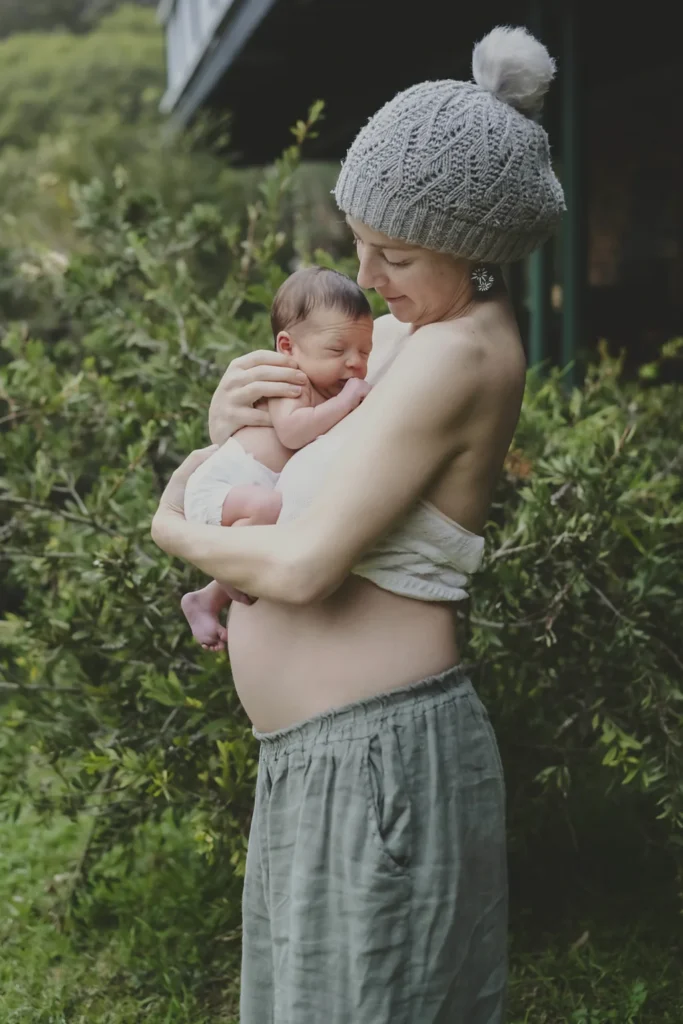
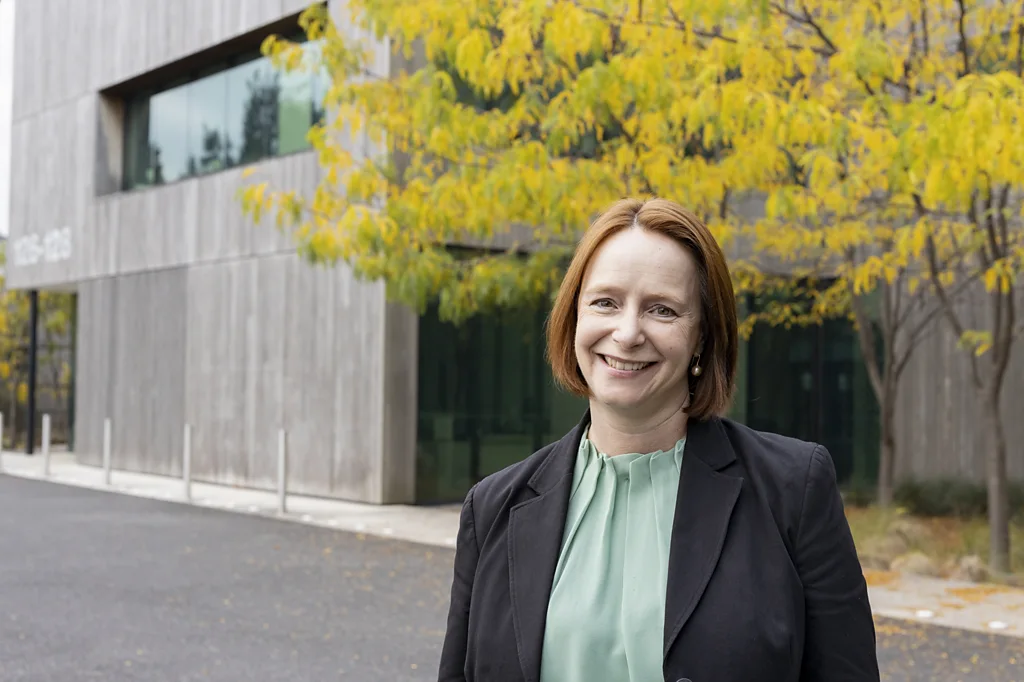
    When Elizabeth Claydon fell pregnant at 27-years-old, her body transformed.

    As usual for a woman supporting a growing baby, her hormones fluctuated, metabolism shifted, belly expanded and weight crept up. For many people, this cascade of change feels positive, but occasionally it can trigger alarming effects on mood and mental health.

    In a few, overlooked pregnant people, including Claydon, this fuels a dangerous obsession over their body image and ultimately triggers an eating disorder.

    “Some days I was okay with the changes and other days it would be really difficult,” says Claydon. “I would look in the mirror and I wouldn’t see myself.”

    Claydon previously suffered from anorexia nervosa from the age 16 until she was 22, when she recovered with the help of outpatient treatment. At age 26, her eating disorder relapsed for about six months and she was in recovery when she fell pregnant.

    At the time, her eating disorder thoughts were still “very much present”, Claydon recalls, and they accelerated as her body changed more rapidly.

    “It felt like there was a battle between my pregnancy and my eating disorder,” says Claydon, who is now an assistant professor in the West Virginia University School of Public Health in the US, researching eating disorders and obesity prevention. “It was like waking up in a body that isn’t yours.”

    Claydon’s experience is relatively rare, but it’s still more common than expected: about one in 20 women experience an eating disorder during pregnancy. Some people have a history of these conditions and suffer a relapse, while others experience symptoms for the first time while pregnant. 

    And while this comes with the risk of serious complications for the mother and baby, the issue can often go undetected in the medical system.
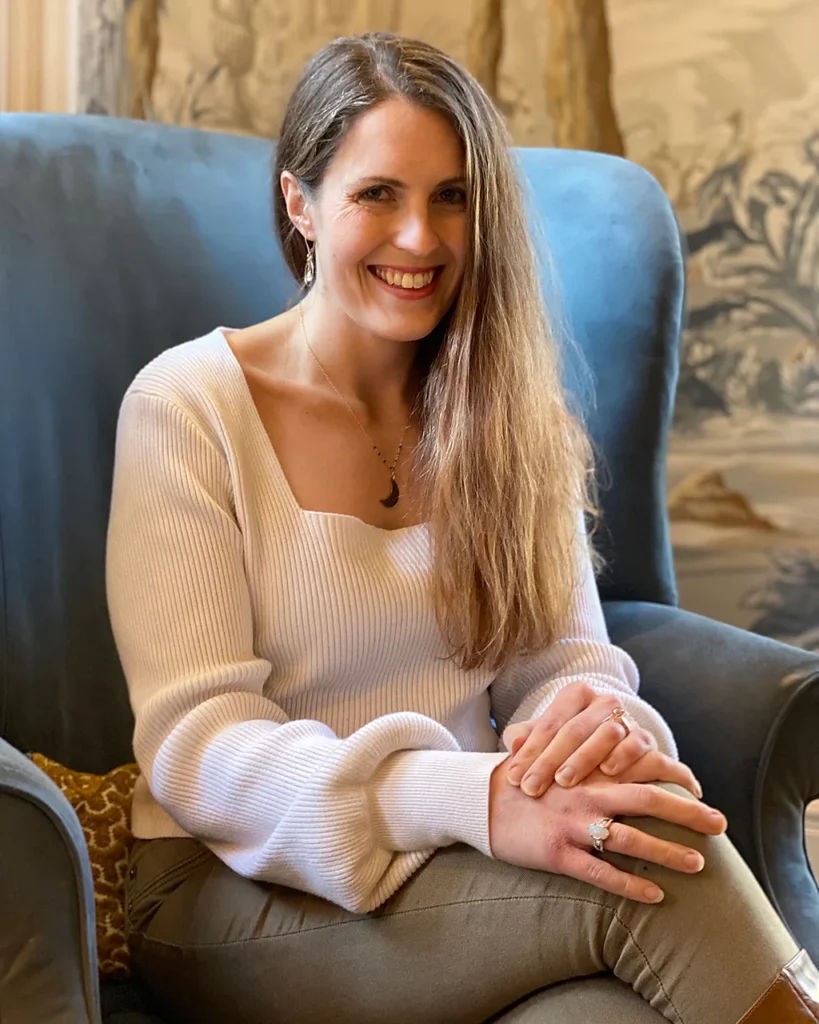
    “Pregnancy can be a perfect storm for an eating disorder,” says Gemma Sharp, a professor, clinical psychologist and lead of the Body Image, Eating and Weight Disorders research program at Adelaide University in Australia. With the right support, however, it may also be a pivotal turning point towards recovery, she says.

    The rise of ‘pregorexia’

    About 9% of women worldwide will have an eating disorder in their lifetime, commonly during three vulnerable periods: puberty, pregnancy and perimenopause

    These are times when women undergo profound transition over an exceedingly short window, and often experience sleep problems, brain changes, hormone fluctuations and mood swings, says Megan Galbally, a practising psychiatrist and expert on maternal and child health at Monash University in Australia.

    In pregnancy, suddenly it’s like “you’re on a train and you can’t get off”, says Galbally. “Inevitably, your body is going to change and you will gain weight, so there can be a loss of control.” 

    About 70% of pregnant and postpartum women report being dissatisfied with their body image and current data suggests 57.5% of pregnant people meet the diagnostic criteria for an eating disorder. These are likely underestimations, Sharp and Galbally say, given the stigma surrounding reporting, the lack of screening and few studies to date. 

    “There’s a myth that people grow out of eating disorders,” Sharp says. “So by the time someone reaches pregnancy, they also self-stigmatise, thinking, ‘I’m too old to be doing this kind of behaviour’, and they’re less likely to disclose it.”

    Galbally has tracked these issues and treated people suffering from them for decades. In the early years of her career, she rarely saw pregnant women with serious anorexia nervosa admitted for nutritional support into maternity wards at her hospital. Then, in 2019, she saw intake numbers going up.

    The global prevalence of eating disorders slowly rose from 3.4 to 7.8% between 2000-2018, and peaked in 2020 and 2021, likely driven by the rise of social media, better screening, and the Covid-19 pandemic.

    “I suspect that there had always been pregnant women with anorexia nervosa, but they were often missed,” says Galbally.

    The physical toll

    An eating disorder during such a delicate time can put both the mother and child in danger. Nutritionally, a mother’s body prioritises the pregnancy over itself, so if there is a deficit, resources will go to the baby, which can lead to nutrient deficiency and bone or muscle deterioration of the mother. 

    In fact, anorexia nervosa and bulimia nervosa in pregnant mothers appear to nearly double the risk of complications, including severe nausea or vomiting, genital tract bleeding, and low levels of haemoglobin in the blood. Eating disorders may also contribute to miscarriage, low birth weight, premature birth, and potential developmental issues for the foetus, including studies that have found a correlation with ADHD and autism.

    A baby’s first thousand days can shape their own lifelong risks around obesity, cardiovascular health, Type 2 diabetes and a range of other health conditions, too. So birth weight is a key predictor of a child’s long-term health, says Galbally, and the mother’s nutrition is vital. 

    Still, exactly how eating disorders influence the health of mother and baby isn’t clear because there is limited longitudinal data and fewer than a dozen case studies on this population. The research, as it stands, “isn’t sufficient”, says Sharp.
    Postpartum pressures

    Some women with an eating disorder manage to stave off full-blown relapses through their pregnancy, only to see it return after the baby is born. In fact, an estimated 13% of postpartum mothers suffer from clinical eating disorders. There are significant hormonal fluctuations, sleep deprivation, mood instability, new responsibilities of parenting a newborn, and the all-too-common pressure to bounce back to their pre-baby bodies. 

    Courtney Louise, a 37-year-old yoga instructor and personal trainer living in New South Wales, Australia, spent much of her late teens and early 20s in and out of the hospital with anorexia nervosa, then faced years of obsessively exercising through her late 20s.

    When Louise first fell pregnant, she was petrified of gaining weight. Although she initially didnโ€™t feel the need to skip meals or cut her food intake initially, her eating disorder thoughts flooded in after the birth. Spurred by sudden hormone shifts and weeks of broken sleep, Louise became, at moments, suicidal.

    “I saw the beauty in it, but postpartum was very mentally painful for me,” says Louise. “I would have such rage that I’d go into the car and sometimes scream. I felt trapped.”

    Louise worked with her doctor and therapist to avoid restricting food or excessive exercise. Ultimately, Louise’s daughter and her yoga practice serve as reminders to keep her mentally healthy. “When we find something that has more power than those stories, those voices, and that darkness, that’s when we really start to heal,” says Louise.

    A hidden problem

    Pregnant women’s bodies are often under a microscope, as health professionals track their growth, weight and diet. This constant monitoring can be immensely challenging for someone with an eating disorder, says Sharp. “Pregnant women’s bodies seem to be the property of the world.”  

    Even so, eating disorders around pregnancy still go under-reported and undetected due to profound diagnostic confusion: eating disorder symptoms can overlap with those of pregnancy. 

    For instance, morning sickness can blur whether someone purging โ€“ one of the main signs of of bulima nervosa. Only 10% of pregnant women with bulimia nervosa are identified and only half are referred for treatment. 

    The temperament of someone with an eating disorder can often be very “perfectionistic, shame- and rejection-sensitive, and overachieving”, says Linda Shanti, a psychologist based in New York and author of The Recovery Mama Guide to Eating Disorder Recovery During Pregnancy and Postpartum. So they’re unlikely to tell their doctor that they have been making themselves throw up or skipping meals. That’s hard enough to admit generally, she says, “much less when you are growing a baby”.

    Emily, a 33-year-old mother of two living in Australia whose name has been changed due protect her privacy, dealt with “all-consuming” anorexia nervosa, bulimia and binge eating disorder on and off during her teens and 20s. She was nervous about navigating pregnancy with her history, so she disclosed it to her medical team upfront. There was no action taken or support offered, she says.

    During both her pregnancies, she experienced distressing thoughts as well as hyperemesis gravidarum, a severe form of nausea and vomiting. As someone who has experienced bulimia, these symptoms were very triggering for Emily, yet no additional care or concern was given, she says. “I felt like I was navigating it on my own,” Emily says.

    Often patients describe backlash if they share these struggles, because of it affecting two lives rather than one. “People say: ‘Don’t you love your baby enough?’,” says Sharp, who calls these attitudes “a broader reflection of society’s version of what a mother should be โ€“ incredibly selfless and self-sacrificing”.

    Fighting for recovery

    Historically, this issue “hasn’t been on the radar” of obstetricians, midwives or mental health professionals, says Galbally. In turn, pregnant people are often left struggling alone, as Emily was.

    To fill the gap, researchers and clinicians are creating new resources. Galbally developed the first comprehensive clinical guidelines for anorexia nervosa during pregnancy, published in 2022. Claydon, meanwhile, has set up Healing Bodies Healthy Babies, a resource to help people navigate pregnancy and eating disorders, and Sharp founded the Consortium for Research in Eating Disorders to promote further study into the issue. 

    Still, there aren’t any scientifically tested medications or tailored behavioural interventions for this group, so clinicians are often in the dark about treatment options. They resort to generic eating disorder treatments like therapy, support groups and family-based treatment, as well as antidepressant medication in certain cases, says Sharp. 
  • The terrifying world of the ‘TikTok Farlands’

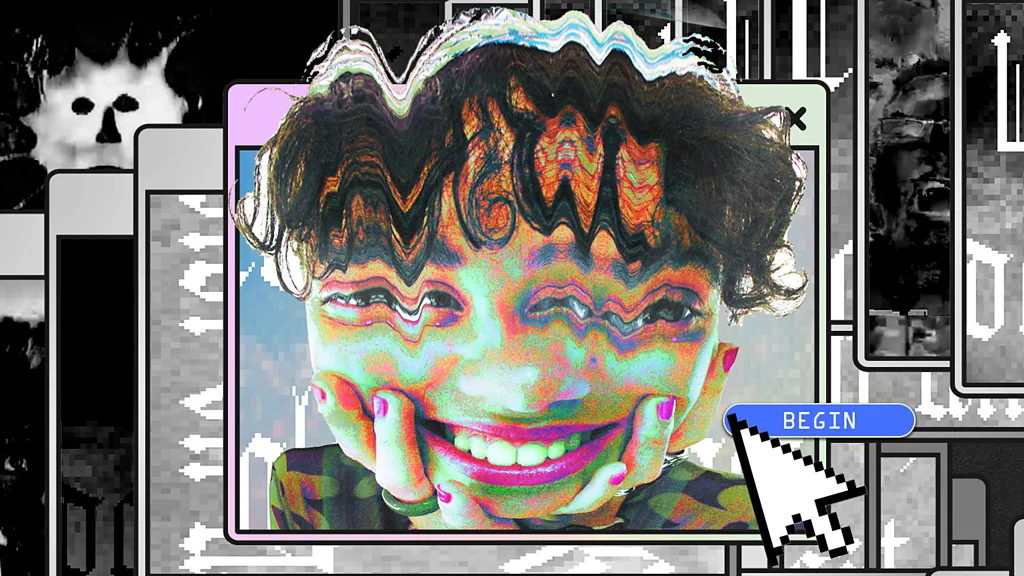
    There’s a hidden corner of TikTok the algorithm won’t show you, full of weird, creepy and downright disturbing videos. It could all be a myth โ€“ or it may be a preview of the internet’s future.

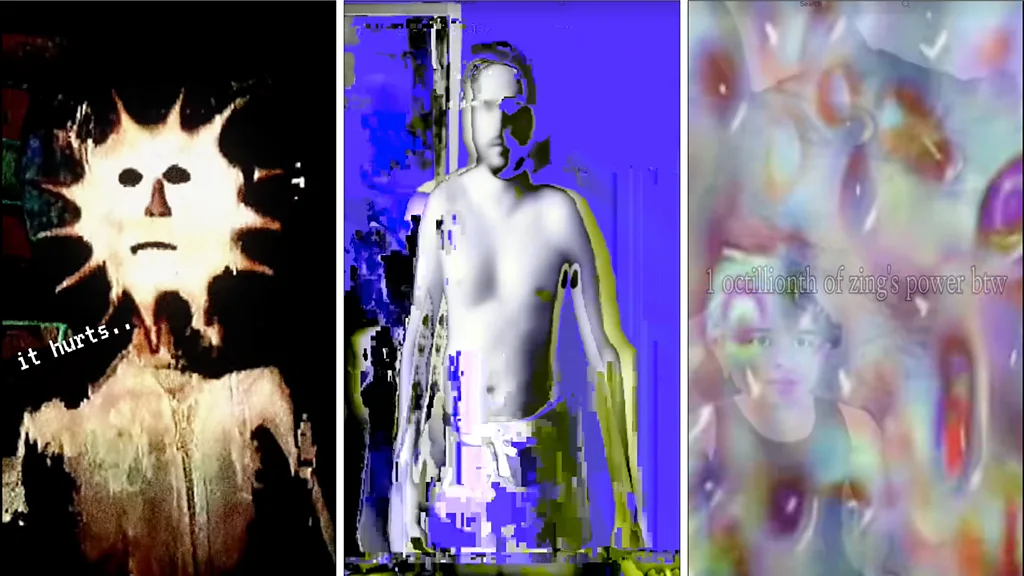
    TikTok has a reputation for serving up an endless stream of videos that are, in general, fairly positive. Some detractors even call it sanitised. But beneath the surface are billions of videos TikTok normally won’t show you. Some are boring. Some are bizarre. Some of them are truly unsettling.

    Rumour has it if you stay up too late, scrolling for hours until you exhaust TikTok’s normal recommendations, you might get a momentary glimpse. But users of the platform say they’ve found a way to go deeper.

    With the right tricks, you can reach this uncanny digital space, that’s weirder, darker and more grotesque than the happy path the algorithm typically steers you along. It’s known as the “TikTok Farlands”.

    The best way to reach it, apparently, is to plug in a string of random numbers and letters that another user has posted in the comments of a video.

    “You can’t get there through algorithmic recommendation alone โ€“ you need a human to invite you in,” says Aidan Walker, an internet culture reporter and meme researcher, in a post on the subject.

    The Interface

    To dive deeper into the edges of TikTok’s Farlands, listen to this episode of The Interface.

    Conversations about TikTok’s Farlands erupted over the last few months, blending conspiracy theories and urban legends with earnest discussion about the power of social media companies.

    Users have figured out ways to hijack the TikTok algorithm to make it surface videos they believe the app doesn’t want you to see. It is a social movement as well as a meme trend. People are pushing up against the walls of the machine.

    And in a world of AI slop and mindless scrolling, it’s left me more optimistic about the future of the internet than I’ve felt in a long time.

    Down the rabbit hole

    The name “Farlands” comes from a famous, ancient glitch in the game Minecraft. In early versions of the game, if you walked far enough, it caused an error that generated distorted and chaotic landscapes full of tunnels and weird structures.

    “The Minecraft Farlands were the edge of the game. You would literally reach the end of the world, and you could not go further,” says Jessica Maddox, an associate professor of media studies at the University of Georgia in the US, who focuses on social media.

    The TikTok Farlands are the same idea. “It’s the end of the internet where things get weird. You’ve left the mainstream and taken a wrong turn.”

    With the help of comments left under Walker’s video post, I was able to follow some random strings of characters into the void. I plugged a code into the search bar, and what I found was nothing like my usual experience on TikTok.

    Nightmarish, AI-generated figures paraded across the screen. Faces contorted in a haze of pixelated distortion. Some kind of alien creature with his veins plugged into the wires of a TV screamed in agony, as a teenager looked on with a videogame controller.

    A lot of it was too disturbing for the BBC to link to. (And I’d offer a little caution before you go looking yourself.)

    Even the strings of random letters and numbers that people share like passwords to the Farlands are a mystery. Sometimes, users tag their own videos with these codes and share them to promote their work. But I spoke to a few people who swore they found Farlands codes through guesswork by mashing the keyboard.

    Some of the codes seem to bring up truly random results. It’s hard to parse what’s really going on, as TikTok’s search function gives different results to different users.

    The whole idea is deliberately subverting TikTok for your own purposes, says Walker. “That’s part of the thrill. You’re using the platform in a way it’s not built to be used,” he tells me. “You’re past the limits of the normal TikTok, out at the frontier where nobody really knows what’s going on.”

    In the comments of these strange videos you’ll also see people writing “I WANT TO STAY IN THE FARLANDS” over and over in large blocks. Some travellers seem to believe posting a 500-word-long comment triggers the algorithm to show you similar content. Is that true? Impossible to say. Social media algorithms are a black box.

    I contacted TikTok but they didn’t respond.

    “People are trying to take control back of their feeds and their online experiences,” says Maddox. “It speaks to being fed up with algorithmic feeds, and our anxieties about the force they play in our lives, dictating what we see.

    “The internet is so overwhelming. In a way, the Farlands represents hope that you’ve actually found the end and you’ve reached a place where you could actually stop.”

    Everything old is new again

    The whole “edge of the internet” conversation is a bit of a paradox.

    The goal of “entering” the Farlands is uncovering hard-to-find videos. Some are genuinely weird, made by people who don’t understand or care about the norms of social media. Other videos are intentionally artistic or edgy.

    But some of these supposedly “obscure” Farlands posts have millions of views. And as its popularity has increased, so some users have made new videos to fit the trend. Finding this stuff is easier โ€“ just type in “Farlands”.

    But users say this isn’t the real deal. Real Farlands videos have no tags or titles, and “certainly not the Farlands hashtag”, one user commented in a popular video.

    It really feels like this hodgepodge of a bunch of different stuff from all over the internet’s history… Niche, kind of spooky, kind of bizarre โ€“ Aidan Walker

    A true Farlands video, some will tell you, will only have 30 views and be from an account with no followers, reachable only for those determined enough to find it.

    The TikTok Farlands are relatively new, but a lot of the ideas, memes, aesthetics and videos themselves are old. Some of it resurfaces tropes from the era of creepypasta, a genre of online ghost stories from the early modern internet.

    Many videos share the deep fried meme aesthetic, where images are passed through numerous filters until they’re pixelated and washed out โ€“ a trend at least as old as 2015. And people discussed the hidden side of TikTok in 2019 and 2020 as users explored “Deeptok”.

    “It really feels like this hodgepodge of a bunch of different stuff from all over the internet’s history,” says Walker. “Niche, kind of spooky, kind of bizarre.”

    Still, there’s also something new here. For one, a lot of popular content that people describe as Farlands feels like commentary on technology and social media itself.

    Shane Moore, better known as @smoorl8r, makes posts that begin as stereotypical TikTok food reviews, before the image degrades in the style of a corrupted video file, with horror-movie-style scenes that glitch in and out.

    Others, such as @realityisoptional.net and Lucas Wilm make videos that look less like social media and more like the video art you find in museums. A number of creators told me they’ve been making this style of content before anyone started talking about the Farlands.

    I asked Walker if covering the Farlands in a mainstream media outlet like the BBC might make the whole thing uncool. “It’s already mainstream,” he says. “It’s a big part of some people’s media diets.” In other words, the cool kids have probably moved on by now. 

    But there’s feeling in the Farlands discourse that something subversive is going on โ€“ especially when people are finding methods to manipulate the algorithms.

    “It defies the logic of what should make good content,” Maddox says. “TikTok has stuff it likes. Instagram has stuff it likes. The Farlands goes against that.”

    More like this:

    โ€ข An AI became a crypto millionaire. Now it’s fighting to become a person

    โ€ข The ‘drunk computer’ that’s revealing YouTube’s secrets

    โ€ข Why people are abandoning Bluetooth headphones

    Though it’s worth remembering that if it all makes you spend more time on TikTok, that’s exactly what the company wants.

    However you spin it, the Farlands is part of a larger trend. People have been switching to “dumb phones” for years. Analogue cameras and wired headphones have made a comeback. AI backlash has grown so popular the Pope is talking about it. There is, in general, a feeling of tech rebellion rumbling across our society.

  • Brexit cost 6% of UK economy, Bank of England company data suggests

    The UK economy has taken a 6% hit from the effects of Brexit, according to economists’ analysis of internal Bank of England data about the decisions, views and financial results of thousands of British companies since the referendum a decade ago.

    Examining data that the Bank uses to decide on interest rates, the study analysed lost growth by trying to reconstruct how the UK would have grown if it had not voted to leave the EU.

    It found that about half the economic hit came from the sheer surprise and uncertainty of the post-referendum period while the rest was from rising trade barriers after the UK left the customs union and single market in 2021.

    But some critics say the study does not fully account for the outperformance of the US investment and tech industries or the European energy shock four years ago.

    Co-author of the study, British professor Nick Bloom from Stanford University, said the UK was growing fast in the years before Brexit and could have at least partially kept up with the US without the disruption. He argued the Bank of England company data offered important corroboration.

    His paper concludes: “In the case of Brexit, there was a substantial economic impact on the United Kingdom, but it arose gradually over the subsequent decade”.

    It comes as the Bank’s top officials have in recent months become increasingly candid in explaining the economic consequences of Brexit in speeches and interviews.

    Recently, the Bank’s governor Andrew Bailey told journalists that as a consequence of Brexit: “I think the level of activity and growth in the economy has been lower.

    “And the reason for that is that if you reduce the size of the markets that we trade with, so we reduce our export markets, then that does tend to have a negative impact on growth,” he said, adding that productivity and the size of the market were also affected.

    However, Bailey said that although the impact on financial services was “not good”, it was “nowhere near as detrimental as many people predicted at the time”.

    Some policy economists have argued that it is difficult to model how much the UK would have grown without Brexit, and that such studies overstate Brexit’s impact, especially at a time of so many global crises.

    The latest version of the study has been published just ahead of the 10 year anniversary of the referendum.

    It used the company data alongside five more traditional analysis methods. While the company level data point to a 6% hit over 10 years, the wider studies suggest an average of 8%.

    The study is co-authored by Bloom and economists at the Bank of England, with access to all the Bank’s data – but the paper officially has a disclaimer that “the views expressed do not necessarily represent those of the Bank of England”.

    While various attempts have been made to isolate the impact of the extra uncertainty, and trade barriers with the EU on UK economic growth numbers, this study is the first time key Bank of England information about the British corporate sector has been used in this way.

    The Decision Maker Panel data is normally used to help inform the setting of interest rates, but it was actually set up by the Bank of England in 2016 specifically to give some insight into the economic impact of Brexit. The authors used years of answers to track firms’ exposure to different aspects of Brexit, reported Brexit impacts, and any change in their financial accounts.

    Prime Minister Keir Starmer announced that he will meet his EU counterparts at a summit in July to agree deals on food and farm exports, as well as electricity and emissions trading. Further areas of cooperation and alignment are expected to also be discussed.

    The BBC has contacted political parties for comment.

  • ‘This could only exist in America’: What are foreign football fans finding in the US?

    Ayoub Baghdad has only just arrived in the US to follow his home team in the World Cup. But already he’s been stunned by one big thing – and it’s not at all related to football – the sheer size of basically everything in the States.

    “Everything is big, even the Coke is big,” Baghdad says, referring to the carbonated beverage. He has found the roads, trucks, and buildings to be much larger than anything he’s used to seeing back home in Morocco.

    About 75% of the 2026 Fifa World Cup matches are being played in the US with Mexico and Canada sharing the remainder. With that comes more international fans in the US keen to explore American culture, landscape and all the country’s oddities.

    It’s made for viral videos on social media, with foreign football fans trying everything from Waffle House and finding a new obsession in ranch dressing to being blown away by giant supermarkets and large restaurant portions.

    The preoccupation with sizes, in particular, was something many international fans remarked about when interviewed by the BBC about their reflections on visiting America.

    “A place like this could ONLY exist in America and I LOVE it,” said Shaun, a vlogger from Scotland after visiting a Buc-ee’s, a convenience store, restaurant, gas station, and supermarket all wrapped in one. The popular chain, mostly found in the South, has a cult-like following in the US, with fans often posing with its Beaver mascot outside many locations.

    For some football fans, food is one way they are exploring the country.

    “I find that the food generally is significantly better than in England,” says Ire Balogun, who is travelling from Oxford.

    “I’m surprised even with their fast food, there’s just so much more flavour. I am sure it’s not good for you in many other ways โ€ฆ but the flavour comes through across the board, whether it’s Chinese or [Hispanic] food.”

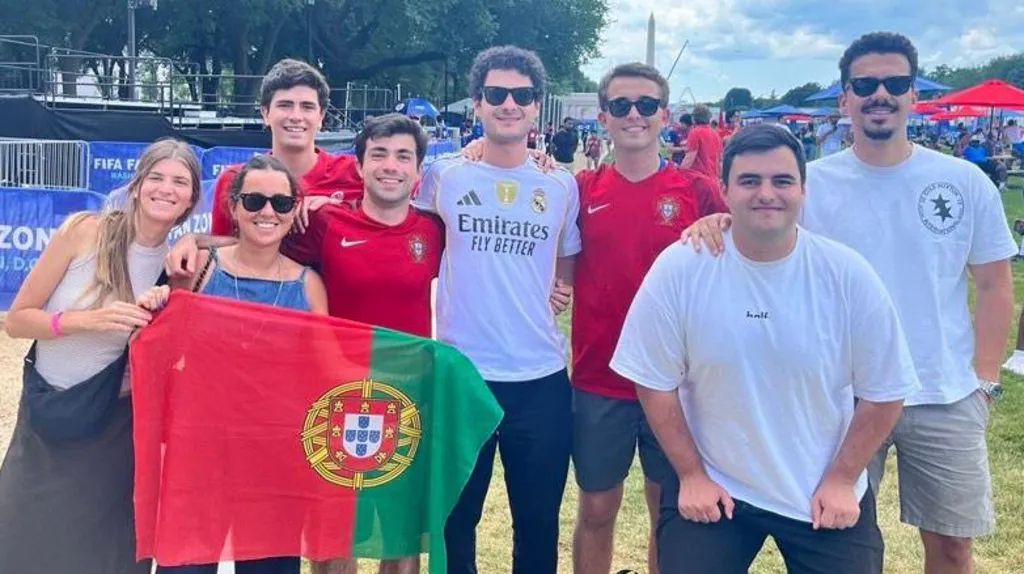
    Joรฃo Valentim and his friends, a group made up of Portuguese graduate students traveling from Madrid, have also been trying “mostly fast food, chain restaurants that we don’t have in our own country.”

    So far, they have been to chains including the Tex-Mex staple Chipotle and the famous hamburger shop Shake Shack, as well as small, independently-run restaurants.

    “It what we are used to seeing in movies or TV shows,” Lourenรงo Silva, from the group says. “It’s a part of the experience of coming to the US.”

    But the restaurant experience has also stunned travellers. Some have posted online about the free chips and salsa that comes at Hispanic restaurants or the free re-fills offered at nearly every eatery.

    For Christian Boateng, who is from Ghana but lives in England, it was the portion size.

    “The portion we bought, we couldn’t finish everything,” he said. “It’s not like that in England.”

    He added that he was also intrigued at the American practice of not including sales tax in the listed price of an item, something that is commonly done in England.

    Balogun noted that he’s noticed the mood in the US has been more muted compared with previous World Cups he’s attended, even with the country hosting the largest share of matches. He was in Russia in 2018 and in Qatar for the 2022 tournament.

    But that is an Americanism of its own, in a country where football isn’t the national pastime and competes for popular attention with several other major sports, including baseball which is currently in season, and American football, which is the most popular sport in the nation.

    That was perfect for England fans Jason Barnes and Harry Beckley, who accidentally found themselves in a crowd of basketball fans in New York’s Times Square as the Knicks beat the San Antonio Spurs to win their first NBA title in 53 years.

    “It’s the craziest celebration I have ever seen or even been a part of,” said Barnes, who was travelling from Portsmouth. “We know basketball is huge in America, obviously not so much in the UK. It was unrealโ€ฆ I might even start following basketball now because of it.”

    International fans are not sticking to sites close to the host cities alone and major metropolitan areas. They are eager to branch off to the US heartland for unique ‘only-in-America’ experiences.

    For Tomรกs Soares, Josรฉ de Araรบjo Vitรณria and the rest of their Portuguese group, those roads lead to the US south – to Georgia, Florida, and the Carolinas.

    “We are gonna eat some more normal and more traditional American things like barbecue and maybe a seafood boil,” Soares says. “That’s the thing that like most of us are looking forward to.”

    Ayoub Baghdad, the fan from Morocco, says although US prices are definitely higher compared to his last World Cup experience in Qatar, it is still worth the journey.

    “You can make your own budget to come watch maybe one game or two games and have the experience with you for your whole life because it is not gonna happen again.”

    With additional reporting from Madeline Gerber and Meiying Wu

  • Two men jailed over Starmer-linked arson attacks

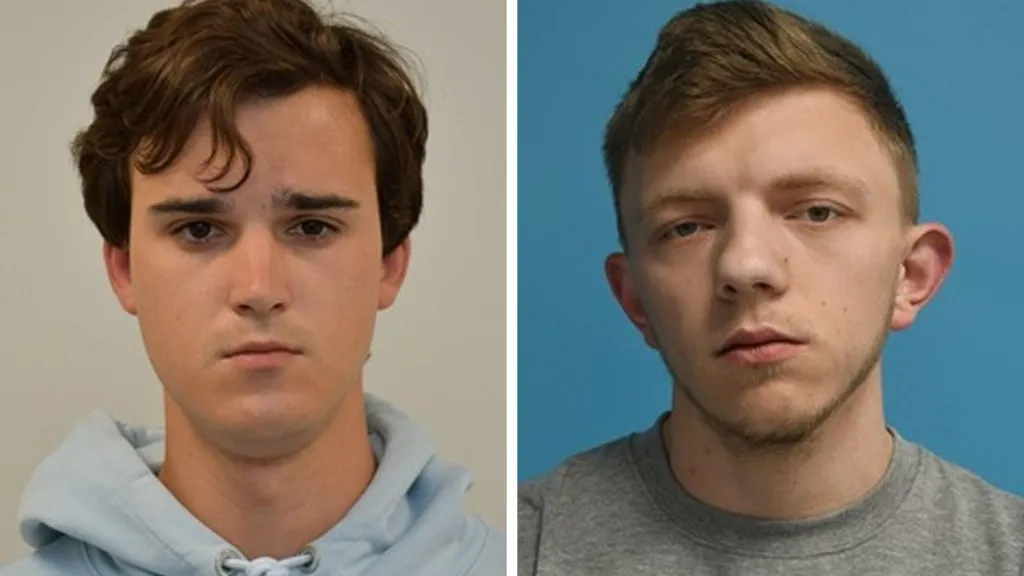
    Two men have been jailed for conspiring to carry out arson attacks targeting property and a car connected to Prime Minister Sir Keir Starmer.

    Ukrainian national Roman Lavrynovych 22, was jailed for seven years while Ukrainian-born Romanian national Stanislav Carpiuc, 27, was sentenced to two years imprisonment at the Old Bailey.

    The attacks in north London were ordered on behalf of Russia, the BBC has revealed.

    Lavrynovych carried them out after being recruited by Russian-speaking Telegram user”EL” who promised him payment. He had previously been hired by the same unknown figure to put up far-right posters.

    Two men found guilty over Starmer-linked arson attacks

    The judge, Mr Justice Garnham, described Lavrynovych as a “useful idiot” who could be easily manipulated.

    He said he had been “easily bought” and “accepted the job as you had accepted other grubby little tasks”.

    Carpiuc played a “supporting role” in the “utterly reckless” attacks, the judge said.

    The court heard a Toyota car previously owned by the prime minister was found on fire on a street he used to live on in Kentish Town, on 8 May 2025.

    On 11 May, a fire was discovered at flats linked to Sir Keir in nearby Islington. He had lived there years before.

    A day later, a fire was discovered at the entrance to Sir Keir’s Kentish Town home, which he still owned and was being rented out to his sister-in-law, Judith Alexander.

    She told the trial of the billowing black smoke going up the stairs while she, her daughter and partner were in the house.

    Lavrynovych and Carpiuc were found guilty at the court on Monday of conspiring together and “with others” to damage property by fire between 1 April and 13 May 2025.

    Lavrynovych was also convicted of alternate counts of damaging property by fire, being reckless as to whether life was endangered. He was acquitted of damaging property by fire with intent to endanger life.

    A third man, Petro Pochynok, 35, was found not guilty of the conspiracy charge.

    After Lavrynovych carried out the arson, “EL” contacted him on 12 May saying he would get crypto and should throw away his clothes.

    He urged Lavrynovych to leave the city but he was arrested hours later after officers stormed his home in Sydenham.

    In a police interview, Lavrynovych said he had no idea who the prime minister was and had not heard of Keir Starmer.

    James Scobie KC, representing Lavrynovych, said he was a “complete and utter foot soldier” and “fodder for this type of infiltration”.

    He said Lavryovych is remorseful, telling the court of the “shame he has brought on the family in Ukraine”.

    He told the court that a message from”EL” had made clear that damaging the front door was enough, as long as it generated media coverage.

    Carpiuc, who was living in Romford in east London, was arrested on 17 May at Luton Airport as he prepared to board a flight to Romania.

    Carpiuc’s barrister Shahid Rashid said he had only been “the money man” and was not going to get anything out of the crimes.

    He added: “His motivation was helping a friend out who needed money desperately for his father’s medical treatment.”

    Carpiuc’s father told the BBC outside court they thought the sentencing was unfair as “EL” had not been caught or punished.

    Lavrynovych’s mother, who asked not to be named, said she felt “heartbroken and ashamed”.

    She added: “Roman’s poor health impacted his intelligence from the very early age, and I’ve tried hard to protect him from bad people. But he is so naive.

    “I wish my son was better sent to Ukraine, to defend our country on the frontline.”

    Cdr Helen Flanagan, head of Counter Terrorism Policing London, said: “I would like to praise the swift work of the investigation team who identified the men involved within a few days of the fires.

    “Crimes, such as arson, being directed by anonymous online accounts promising payment is a recurring trend in our casework.”

  • Farage blames Makerfield defeat on anti-Starmer votes

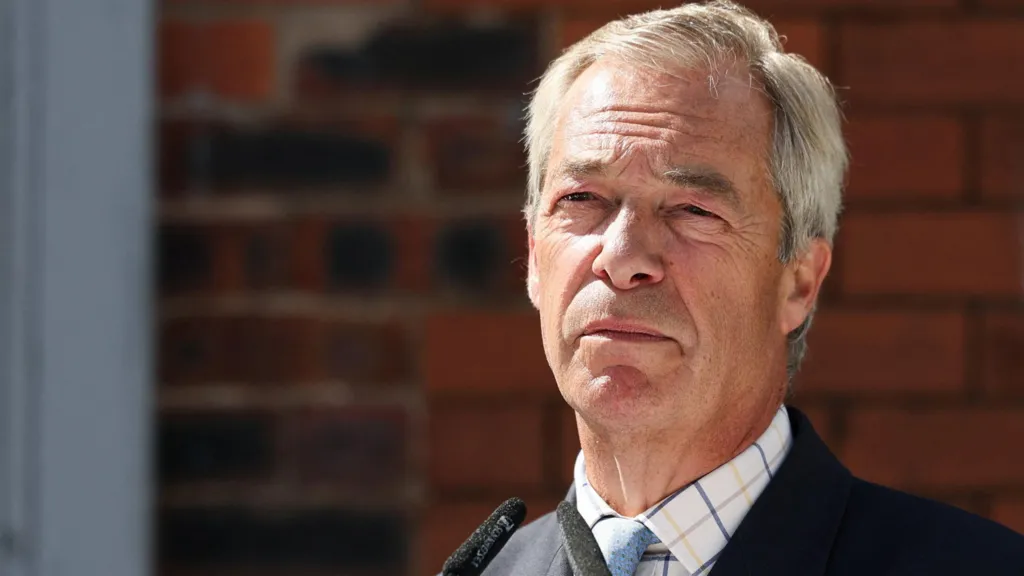
    Nigel Farage says he is disappointed with Reform UK’s performance in the Makerfield by-election, as he blamed his party’s defeat on a desire among voters to eject Sir Keir Starmer from Downing Street.

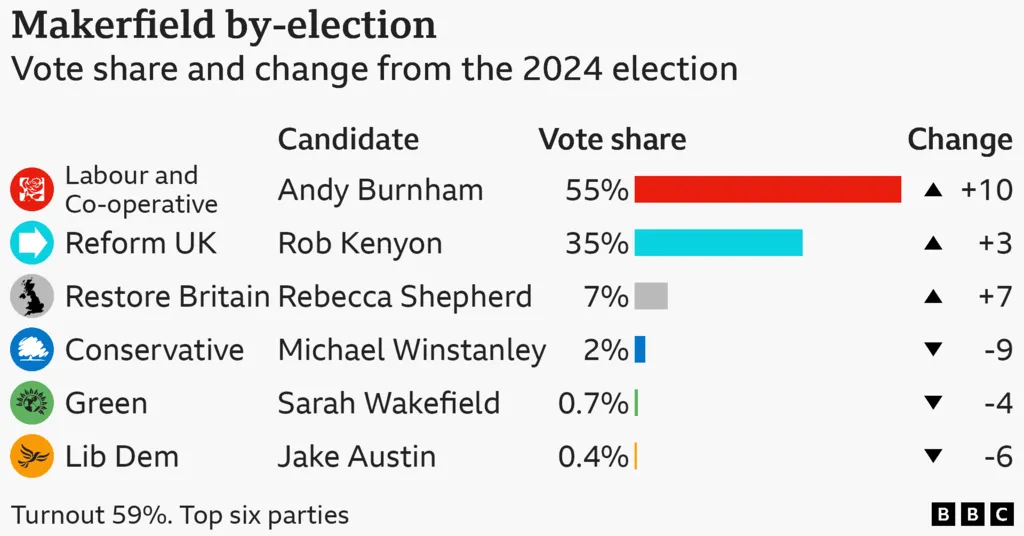
    The Reform leader claimed frustration with the embattled prime minister had driven Andy Burnham’s “emphatic” Labour victory over his party’s candidate, Rob Kenyon, who finished more than 9,000 votes behind.

    He also conceded his party had also lost votes to right-wing rival Restore Britain, founded by ex-Reform MP Rupert Lowe, which finished third in a breakthrough night for the fledgling party.

    He issued a plea for Restore voters to back Reform instead, as the main “challenger party to the left”.

    Reform had sought to defeat Burnham in the Makerfield seat, giving it a high-profile scalp to boost its credentials as the likely main opposition party to Labour at the next general election.

    But Burnham increased Labour’s majority over Reform in the constituency in a rare feat for a candidate from the governing party.

    The outgoing mayor of Greater Manchester is now expected to challenge Sir Keir for the Labour leadership and keys to No 10.

    He would otherwise be barred from doing so without a seat in Parliament, making the Labour leadership a key issue in the contest in Makerfield, just south of Wigan, which has been held by the party for over a century.

    In a video clip posted online, Farage said his party’s second-place finish was a “disappointing” result, adding Burnham had won the contest with a “vote share that nobody could quite see coming”.

    “In many ways, he’s a popular local mayor, just as Boris Johnson was a popular mayor in London just a few years ago,” he said. “But what really happened here is it was ‘vote Burnham, get Starmer out’.”

    He added that Reform had been “slightly hoist with our own petard”, having previously framed a series of local and national elections in May as a chance for voters to put an end to Starmer’s faltering premiership.

    He also expressed frustration with Restore, which sought to outflank Reform on the right with bold promises including “the most ambitious programme of mass deportations ever seen in Britain”.

    “I thought we’d get 18,000 votes, we got just shy of 16 [thousand]. So I’m disappointed by that, no question about it,” Farage added.

    “There’s a couple of thousand voters there who would normally have gone out and voted Reform, that voted Restore. And I would say directly to them, what do you want?

    “We are the challenger party to the left in this country. And I would urge you to think again, I really, really would.”

    Reform candidate Kenyon, a self-employed plumber who became a councillor in England’s May local elections, had stood in the constituency in the 2024 general election, coming second to Labour.

    Although he grew Reform’s share of the vote overall, this time around his campaign was dogged by controversy over past social media comments about women unearthed by journalists and campaign groups.

    Rise of Restore

    The by-election marks the first time that Restore Britain, which was registered as a political party in March, has contested a Westminster seat, marking its emergence on the national political stage.

    It had been polling at around 3% nationwide but its performance in the high-profile Makerfield contest, where it captured around 7% of the vote, presents a strategic dilemma for Farage ahead of the next general election.

    In the run-up to the vote, Reform had announced plans to ban non-British nationals from social housing and tax companies hiring foreign staff, as it tacked rightward to shore up its voter base.

    Speaking after the result, a jubilant Lowe posted on X that his candidate Rebecca Shepherd had achieved a “remarkable” result, adding that previous new parties had taken “years to do what we did in a few months”.

    “Restore Britain is now officially on the map,” he added.

    The Makerfield vote was one of three by-elections taking place on Thursday, alongside two in Scotland sparked by the resignation of sitting MPs to take seats in the Scottish Parliament.

    The Conservatives won in Aberdeen South, taking the seat from the SNP, while the SNP held on in Arbroath and Broughty Ferry.

  • UK Politics: Starmer Warns Labour Against โ€˜Turning on Each Otherโ€™ After Burnhamโ€™s Convincing Makerfield Win

    ๐Ÿ‡ฌ๐Ÿ‡ง Overview of the Political Situation

    Tensions within the UK Labour Party have intensified after a convincing electoral performance in Makerfield, where Andy Burnham secured a strong win that has drawn national attention.

    In response, Labour leader and Prime Minister Keir Starmer has issued a clear warning to party members, urging unity and cautioning against internal conflict that could weaken the partyโ€™s position ahead of future political battles.


    ๐Ÿ—ฃ๏ธ Starmer Calls for Unity Inside Labour

    Keir Starmer emphasized that the party must avoid โ€œturning on each otherโ€ at a time when political stability and public trust are critical.

    According to party insiders, Starmerโ€™s message focused on:

    • Maintaining internal discipline
    • Avoiding public disputes between senior figures
    • Strengthening Labourโ€™s national strategy
    • Keeping focus on governance rather than factional politics

    The warning is being interpreted as a response to growing tensions within different wings of the Labour Party following recent electoral shifts.


    ๐Ÿ“ Burnhamโ€™s Makerfield Performance Draws Attention

    Andy Burnhamโ€™s strong showing in Makerfield has energized parts of the Labour base and sparked discussion about leadership influence within the party.

    Analysts say the result highlights:

    • Continued Labour strength in key northern constituencies
    • The influence of high-profile Labour figures outside Westminster
    • Possible future leadership dynamics within the party

    The result has also fueled internal debate about direction, messaging, and strategy going forward.


    โš–๏ธ Growing Internal Pressure Within Labour

    While Labour remains in government, internal disagreements have become more visible in recent months. Key areas of tension include:

    ๐Ÿ›๏ธ Policy Direction

    Debates over economic policy, public spending, and welfare reforms.

    ๐Ÿงญ Leadership Style

    Differences in approach between senior party figures and regional power centers.

    ๐Ÿ“Š Electoral Strategy

    How Labour should position itself to maintain broad voter support.


    ๐Ÿ“‰ Political Analysts Weigh In

    Political commentators suggest Starmerโ€™s intervention reflects a desire to prevent factional disputes from escalating.

    Experts believe that:

    • Internal unity will be crucial ahead of upcoming elections
    • Public disagreements could impact voter confidence
    • Strong regional figures like Burnham may shape future party dynamics

    ๐Ÿ”Ž Why This Matters

    The exchange highlights a broader challenge for Labour: balancing strong regional leadership voices with centralized party discipline.

    With Keir Starmer seeking to maintain control and unity, and figures like Andy Burnham gaining visibility through strong local performances, the partyโ€™s internal balance remains a key political storyline in the UK.


    ๐Ÿ“Œ Conclusion

    The Labour Party now faces a critical moment as leadership calls for unity grow louder. Starmerโ€™s warning underscores concerns that internal divisions could overshadow governance priorities.

    As political momentum builds, the partyโ€™s ability to stay unified may prove decisive in shaping its long-term success.

  • Democrat Hannah Pingree to Face Republican Bobby Charles in Maine Gubernatorial Race

    ๐Ÿ—ณ๏ธ Overview of the Maine Gubernatorial Race

    The political landscape in Maine is heating up as Hannah Pingree, a prominent Democratic figure, is expected to compete against Bobby Charles, the Republican nominee, in the upcoming gubernatorial election.

    This matchup is already drawing significant attention as both candidates bring strong political backgrounds and sharply different policy priorities.


    ๐Ÿ‘ฉโ€๐Ÿ’ผ Who is Hannah Pingree?

    Hannah Pingree is a well-known Democratic leader in Maine politics. She has served in multiple leadership roles and is recognized for her work in:

    • State governance and public administration
    • Rural development initiatives
    • Healthcare and education policy
    • Strengthening local communities

    Her campaign is expected to focus on social services, economic development, and climate resilience in Maine.


    ๐Ÿ‘จโ€๐Ÿ’ผ Who is Bobby Charles?

    Bobby Charles is a Republican candidate and former federal official with experience in national policy and legal affairs.

    His campaign platform is likely to emphasize:

    • Public safety and law enforcement
    • Economic growth and tax policy
    • Government reform and accountability
    • Stronger border and national security positions

    โš–๏ธ Key Issues in the Election

    The Maine gubernatorial race is expected to center around several major issues:

    ๐Ÿฅ Healthcare Access

    Both candidates are expected to present different approaches to improving healthcare affordability and rural access.

    ๐Ÿ’ผ Economy & Jobs

    Economic development, inflation pressures, and job creation remain top voter concerns.

    ๐ŸŒฑ Environment & Energy

    Maineโ€™s coastal economy and environmental policies will play a major role in the debate.

    ๐Ÿซ Education

    Funding for public schools and higher education access will likely be key campaign topics.


    ๐Ÿ“Š Political Outlook

    Analysts suggest this race could be closely contested, with Maineโ€™s mixed political history making outcomes difficult to predict. Both parties are expected to invest heavily in campaigning, fundraising, and voter outreach.


    ๐Ÿ”Ž Why This Race Matters

    The Maine governorโ€™s race is not just a state-level contestโ€”it is also seen as a reflection of broader national political trends. Outcomes here could signal voter sentiment ahead of future US elections.


    ๐Ÿ“Œ Conclusion

    With Hannah Pingree facing off against Bobby Charles, the Maine gubernatorial race is shaping up to be one of the most closely watched state elections in the United States.

    Voters can expect a competitive campaign focused on economic stability, public services, and the future direction of Maineโ€™s governance.

  • US Monthly Housing Payments Hit 1-Year High of $2,647: Report

    ๐Ÿ“Š Overview

    Housing costs in the United States have continued to rise, with the average monthly mortgage payment reaching $2,647, marking the highest level in the past year, according to a recent housing market report.

    The increase highlights ongoing affordability challenges for homebuyers as elevated interest rates and stubborn home prices continue to pressure household budgets.


    ๐Ÿ  Whatโ€™s Driving the Increase?

    Several key factors are contributing to the rise in monthly housing payments:

    1. Higher Mortgage Rates

    The Federal Reserveโ€™s tight monetary policy has kept borrowing costs elevated. Even small rate increases significantly impact monthly mortgage payments.

    2. Rising Home Prices

    Despite cooling demand in some regions, home prices remain high due to limited housing supply.

    3. Limited Inventory

    A shortage of available homes continues to push competition among buyers, keeping prices elevated.

    4. Insurance and Property Taxes

    In many states, rising insurance premiums and property taxes are adding further pressure to monthly costs.


    ๐Ÿ“‰ Impact on Homebuyers

    The jump to $2,647 per month is making homeownership increasingly difficult for many Americans, especially:

    • First-time homebuyers
    • Middle-income households
    • Buyers in high-demand urban areas

    Many potential buyers are delaying purchases or turning to rental markets as affordability gaps widen.


    ๐Ÿ“ˆ Housing Market Trends

    Experts suggest the housing market is entering a phase of:

    • Slower sales activity
    • Increased reliance on adjustable-rate mortgages in some cases
    • Greater regional price differences
    • Continued pressure on affordability until rates stabilize

    While demand remains, affordability constraints are reshaping buyer behavior across the country.


    ๐Ÿ’ก Expert Outlook

    Economists expect monthly payments to remain elevated in the near term unless:

    • Mortgage rates decline significantly
    • Housing supply increases
    • Wage growth accelerates faster than housing inflation

    Until then, affordability will remain a key challenge in the US housing sector.

  • U.S. Military Kills 3 in Eastern Pacific Boat Strike During Anti-Drug Operation

    Published: June 19, 2026
    Category: U.S. News | Military | National Security | Crime

    U.S. Military Conducts Deadly Strike on Suspected Drug-Trafficking Vessel

    The U.S. military has confirmed that three individuals were killed during a strike on a vessel in the Eastern Pacific Ocean that officials say was involved in suspected drug-trafficking operations.

    According to U.S. Southern Command (SOUTHCOM), the operation targeted a boat traveling along what military officials described as known narcotics trafficking routes. Authorities stated that no U.S. military personnel were injured during the mission.

    Why the Vessel Was Targeted

    Military officials said intelligence indicated the vessel was allegedly being used by a criminal organization involved in maritime drug trafficking. The strike was carried out as part of an ongoing U.S. campaign aimed at disrupting transnational criminal organizations operating in the Caribbean and Eastern Pacific.

    Officials referred to those killed as members of a “narco-terrorist” organization. However, the military has not publicly released evidence confirming the identities of those killed or that the vessel was transporting illegal drugs at the time of the strike.

    Part of a Broader Anti-Drug Campaign

    The latest operation is one of several military strikes conducted in recent months against boats suspected of transporting narcotics.

    The campaign forms part of broader U.S. efforts to combat drug trafficking networks that officials say contribute to the flow of illegal narcotics into the United States. Military leaders argue these operations are intended to disrupt organized criminal groups operating on international maritime routes.

    Debate Over the Military Operations

    While government officials have defended the strikes as necessary to combat organized crime, the operations have drawn criticism from some lawmakers, legal experts, and human rights organizations.

    Critics argue that questions remain about the legal basis for using military force against suspected traffickers outside traditional armed conflicts. Some have also called for greater transparency regarding the intelligence used to authorize such strikes.

    National Security Perspective

    Supporters of the operations say criminal organizations involved in international drug trafficking pose significant threats to regional security and public safety. They argue that disrupting maritime smuggling routes helps reduce the movement of illegal drugs and weakens organized criminal networks.

    Security analysts note that international cooperation among military forces, coast guards, and law enforcement agencies remains an important part of efforts to combat transnational crime.

    What Happens Next?

    Officials have indicated that maritime surveillance and counter-narcotics operations in the Eastern Pacific will continue.

    Meanwhile, some members of Congress and independent watchdog groups have requested additional information about targeting procedures and oversight of these military operations. The Pentagon’s inspector general is also reviewing aspects of the campaign.

    Conclusion

    The latest U.S. military strike highlights the government’s continuing efforts to combat suspected drug-trafficking organizations operating in international waters. While officials describe the mission as a successful counter-narcotics operation, the broader campaign continues to generate debate over its effectiveness, legal framework, and humanitarian implications.