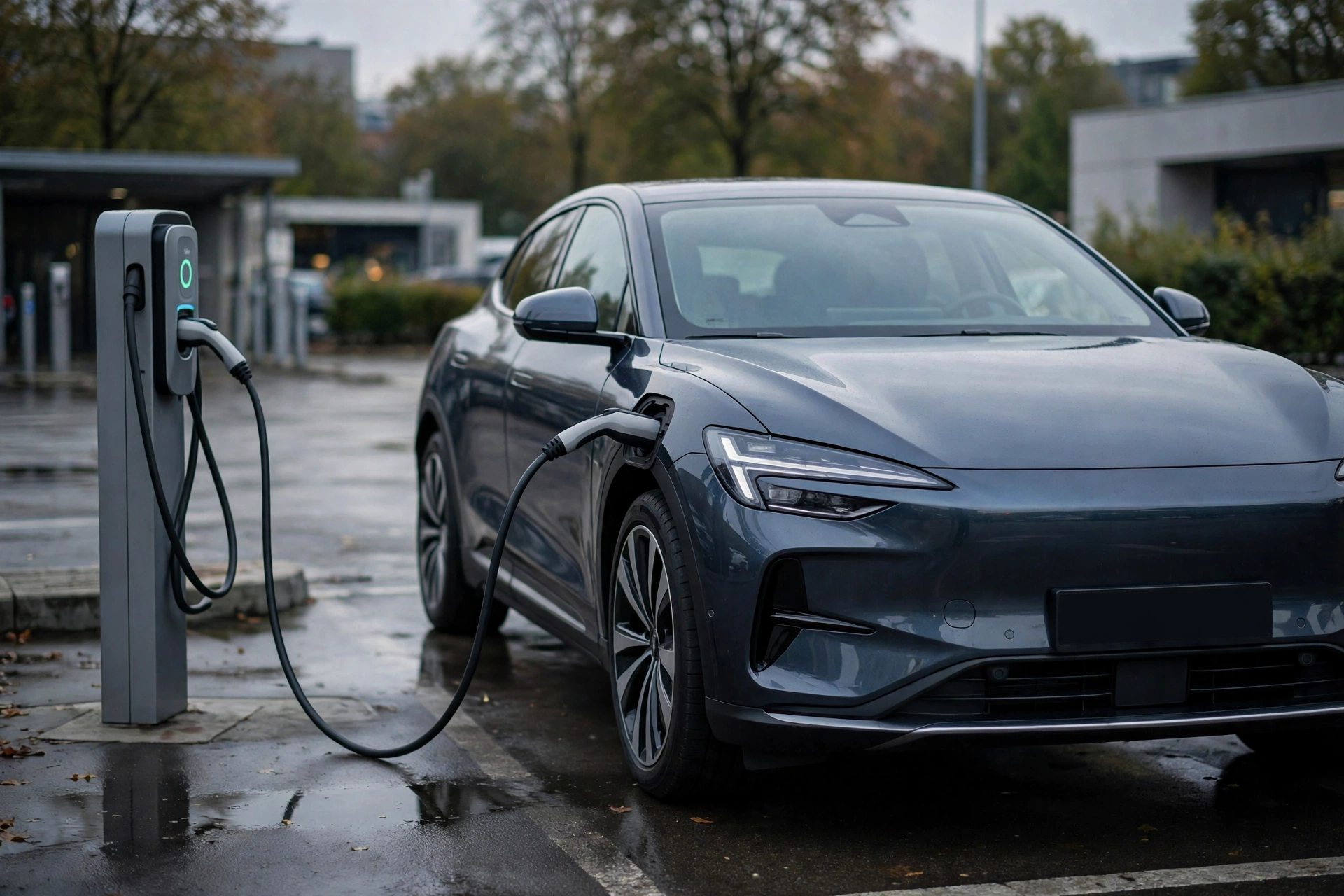
More drivers than ever are considering an electric car for their next vehicle. Showrooms, adverts and conversations among friends and colleagues have made electric motoring feel less like a novelty and more like a realistic option for everyday life. Yet alongside the enthusiasm, many drivers have practical questions that need honest answers. How much does charging really cost? Where can you charge? And does an electric car make sense for the way you actually drive?
These questions matter because buying a car is one of the biggest purchases most households make. Drivers want to feel confident that a new car will suit their commute, their family trips and their budget, not just in the first month but for years to come. Understanding charging, in particular, is central to that confidence, because it replaces the familiar routine of filling up with petrol or diesel with something that feels new.
Why drivers are tempted to switch
For many drivers, the appeal of an electric car starts with the driving experience itself. Electric cars are quiet, smooth and responsive, with instant acceleration that makes town driving feel effortless. There is no engine vibration at traffic lights, no gear changes to manage, and a sense of calm that many drivers say they quickly grow used to.
Running costs are another attraction. Charging at home, especially overnight, is often cheaper than buying fuel, and electric cars generally have fewer moving parts to maintain. Servicing can be simpler, and drivers may save on items such as oil changes and exhaust repairs. For people who drive mainly short distances, such as commuting or school runs, those savings can add up over time.
There is also a wider sense that electric cars are the direction of travel for motoring as a whole. Manufacturers are offering more models, in more shapes and sizes, than they did a few years ago. Small city cars, family hatchbacks, estates and larger SUVs are all available with electric power, giving buyers more choice than before. That growing range makes it easier for drivers to find a car that fits their life, rather than having to compromise heavily to go electric.
The charging question
Charging is where many drivers feel least certain, and it is easy to see why. Unlike filling a tank in a few minutes, charging takes longer and depends on where you can plug in. Drivers with a driveway or garage can usually have a home charger installed, allowing them to charge overnight and start each day with a full battery. For them, charging becomes part of a routine, much like charging a phone.
Drivers without off-street parking face a different picture. They may rely on public chargers, workplace charging or chargers at supermarkets and other destinations. Public charging has improved greatly, with more rapid chargers on major routes and in towns, but availability can still vary by area. Queues at busy times, chargers that are out of order, and confusion over payment methods are all frustrations that drivers mention.
Cost is another variable. Home charging is usually the cheapest option, while rapid public charging costs more, reflecting the speed and convenience on offer. Drivers who mainly charge at home will see a very different running cost from those who rely heavily on public chargers. That is why general claims about savings need to be treated with care. The real cost depends on where, when and how often you charge.
Range and everyday driving
Range anxiety, the worry about running out of charge, was once a major barrier to switching. Modern electric cars can travel much further on a single charge than early models, and for most daily driving that range is more than enough. A typical commute, a trip to the shops or a visit to family will usually leave plenty of charge to spare.
Longer journeys need more planning, but they are far from impossible. Motorway services and major routes now have rapid chargers, and route-planning tools in cars and on phones can suggest charging stops along the way. Many drivers who switch say they adapt quickly, taking a break to charge during a journey they would have stopped on anyway for rest and refreshments.
Still, drivers should think honestly about their own patterns. Someone who regularly drives long distances at short notice, tows heavy loads or lives in an area with few chargers will have different needs from someone who drives mainly locally. Test driving an electric car, and trying the charging process, can help turn abstract worries into practical understanding.
Buying and owning: what to weigh up
The purchase price of electric cars has been a barrier for many buyers, although prices have been coming down as more models arrive and the second-hand market grows. A used electric car can offer a more affordable way in, but buyers should check battery health, charging history and warranty cover, just as they would check the condition of any used car.
Depreciation, insurance and repair costs also matter. Electric cars can be more expensive to insure in some cases, and repairs to bodywork or batteries need specialist knowledge. Drivers should compare total ownership costs, not just the headline price, and consider how long they plan to keep the car.
Government incentives and tax rules have changed over time, and they vary depending on whether a car is bought privately or through a company. Drivers should check the current position before buying, rather than assuming that an incentive that applied in the past still applies. A dealer or adviser can help clarify what support is available and what it means in practice.
What happens next
The charging network is set to keep growing, and that growth will be crucial to giving more drivers confidence to switch. More chargers in residential streets, at workplaces and on rural routes would help drivers without home charging most of all. Clearer pricing, simpler payment and reliable maintenance of existing chargers would also make a real difference to everyday experience.
For drivers thinking about switching, the best next step is research and a test drive. Think about your daily mileage, where you could charge, and what your total costs would look like. Speak to owners, try charging in public, and compare models on the features that matter to you, not just on range figures.
Electric cars will not suit everyone yet, and that is fine. But for a growing number of drivers, they now offer a practical, pleasant and potentially cheaper way to get around. As charging becomes easier and choice continues to widen, the switch that many drivers are considering today may soon feel like the obvious choice.