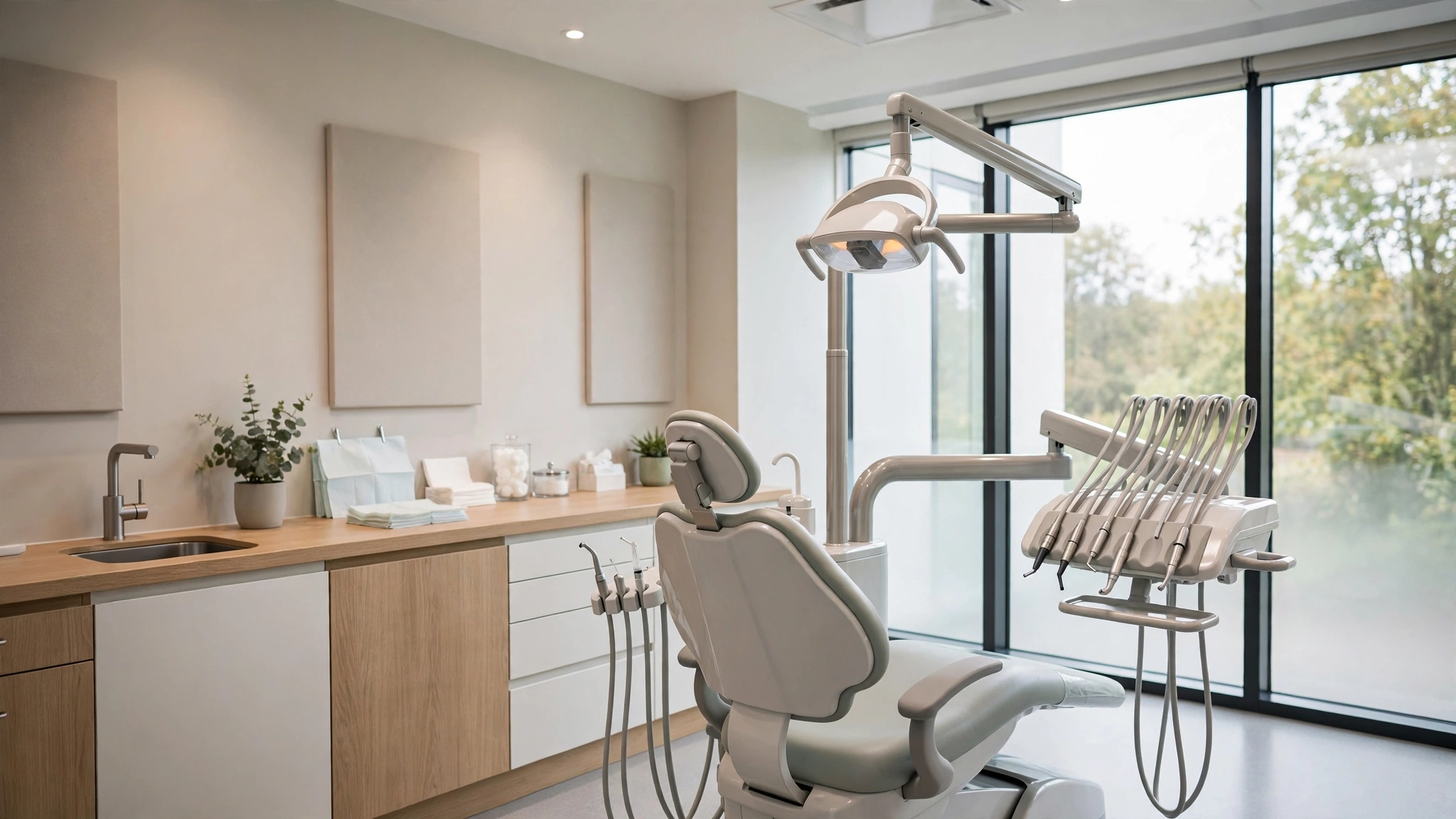
Finding an NHS dentist has become one of the hardest appointments to get in the country. Millions of people who would happily pay the NHS band charges cannot find a practice taking new NHS patients, and private prices put routine care out of reach for many families. If you are struggling to find one, you are not alone — and there are still ways to get seen without paying for private treatment.
Here is what actually works.
1. Start with the NHS website, but do not stop there
The NHS website has a "Find a dentist" service that lists practices near you and, in theory, whether they are accepting new NHS patients. It is worth checking first, but treat the information with caution — many practices do not update their status, and a listing that says "accepting" can be months out of date.
If the search shows nothing nearby, widen the area. People in some areas now travel to a neighbouring town for NHS dentistry. It is not ideal, but it is far better than going without check-ups, and the NHS charges are the same wherever you go.
2. Call practices directly — many never advertise
A surprising number of practices keep a waiting list for NHS patients but never put it on their website. The ones that do advertise get flooded. The ones that do not, sometimes do not.
Call during the week, ideally mid-morning, and ask plainly: "Are you taking on any new NHS patients, or do you have a waiting list I can join?" If the answer is no, ask a second question: "Do you know of any practice nearby that is?" Reception staff hear this question constantly and often know exactly where the gaps are.
It helps to call more than once over a few weeks. Practices' lists move, and a "no" in March can become a "yes" in June when a dentist frees up capacity.
3. Know what an NHS dentist actually costs
One reason some people avoid looking is that they assume NHS dentistry will be expensive. It is not free for most adults, but the charges are fixed and far below private prices. There are three bands covering check-ups, fillings and crowns, and the practice must tell you which band your treatment falls into before you agree to it.
If you are on certain benefits, pregnant or recently had a baby, under 18, or under 19 in full-time education, you may get treatment free. Students, people on low incomes and pensioners on pension credit can also claim help. Check the NHS exemption rules before you pay — many people are entitled to help they never claim.
4. Do not give up on check-ups while you wait
While you are searching, keep up the basics: brush twice a day with fluoride toothpaste, floss or use interdental brushes, and cut down on sugary snacks between meals. It sounds obvious, but good home care is what turns a six-month wait into an inconvenience rather than an emergency.
If you have a toothache or swelling while waiting for a practice, you do not have to suffer in silence. NHS 111 can direct you to urgent dental care in your area. Urgent slots exist for pain, swelling and injuries — they are not for routine check-ups, but they are there when you genuinely need them.
5. Be careful with "NHS dentist" claims on private listings
Some private practices appear high in search results for NHS dentist terms but only offer private appointments. There is nothing wrong with private dentistry, but if you are searching because you need NHS prices, check before you book. Ask on the phone: "Is this an NHS appointment?" If the receptionist cannot give you a straight answer, it probably is not.
Also be wary of anyone asking you to pay for NHS treatment upfront beyond the standard charges, or suggesting that joining a paid "membership plan" is the only way to be seen. NHS treatment has set charges and set rules — anything outside those is private.
Getting an NHS dentist in 2026 takes persistence, but it is not impossible. Search wide, call directly, join waiting lists, and keep asking. The system is stretched, but the practices that do have room tend to fill their NHS lists quietly — and the people who get those places are the ones who kept calling.