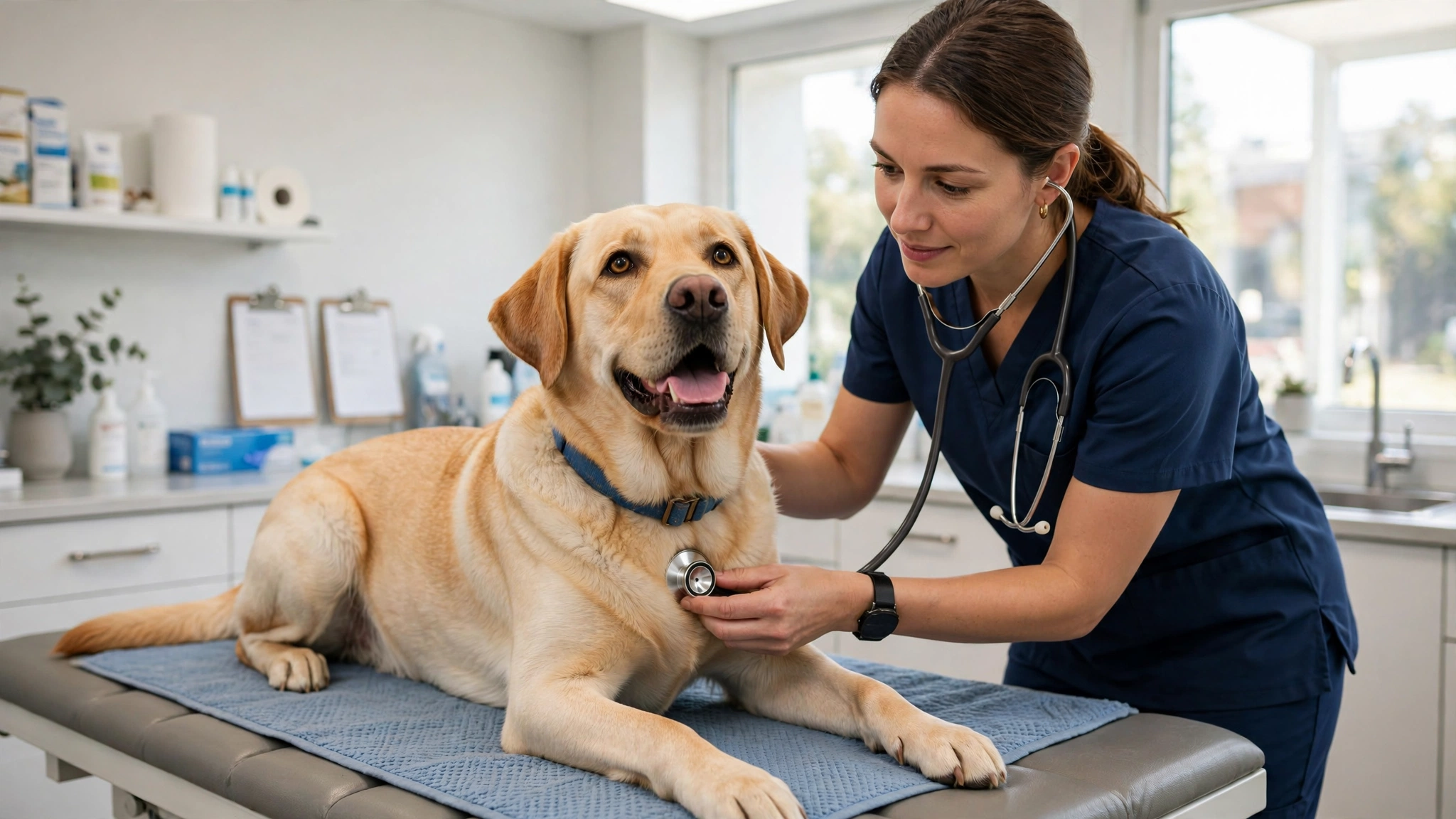
The everyday basics that matter most
Ask any vet what keeps a dog healthy and the answer is rarely glamorous. It comes down to the same handful of things done consistently: the right food in the right amount, daily exercise, routine vaccinations, regular parasite treatment, and someone paying attention. Dogs are creatures of habit. They thrive on routine, and most health problems are far easier to prevent than they are to fix.
That said, keeping a dog in the UK does come with real costs, and they have crept up in recent years. Knowing roughly what to expect means fewer surprises and a dog that stays in good shape from puppyhood through to old age.
Vaccinations: the appointments you should not skip
Puppies usually start their vaccinations at around eight weeks old, with a second set a few weeks later. These protect against serious illnesses including parvovirus, distemper, hepatitis and leptospirosis. After the puppy course, most dogs need a booster once a year, and many owners simply tie it in with an annual health check.
The annual visit is worth more than the jab itself. A vet will check your dog's teeth, heart, weight, joints and coat, and it is often at these routine appointments that small problems get spotted early, when they are cheaper and easier to treat. If you have adopted an older dog with an unknown history, your vet can advise on restarting a course. Keep the vaccination card safe; boarding kennels and doggy day care will usually ask to see it.
Fleas, worms and the treatments in between
Flea and worm treatment is one of those jobs that is easy to forget until it becomes a problem. Most vets recommend flea prevention all year round, not just in summer, because central heating keeps fleas active indoors through winter too. Treatments come as spot-on drops, tablets or collars, and your vet can suggest which suits your dog's size and lifestyle.
Worming is typically done every few months for adult dogs, and more often for puppies. Dogs that scavenge on walks, eat things they should not, or spend time around other animals may need it more regularly. There is also lungworm to think about, a parasite spread by slugs and snails that can be serious if missed. Many combined monthly treatments cover it, so it is worth asking your vet what your current product actually protects against.
What vet care costs, in general terms
Vet fees vary a lot depending on where you live, whether you use an independent practice or a larger group, and what treatment is needed. A routine consultation typically costs a modest amount, while surgery, emergency care or a stay with the out-of-hours service can run into hundreds or even thousands of pounds. That gap between everyday care and emergency bills is exactly why so many owners think carefully about insurance.
A few habits help keep costs manageable. Register with a vet before you need one urgently. Ask for an estimate before treatment begins, and ask what the alternatives are — vets are used to these conversations and a good practice will talk through options at different price levels. Many surgeries also offer monthly health plans that spread the cost of vaccinations, flea and worm treatment and check-ups across the year. They are not insurance, but they do make the routine side predictable.
Pet insurance: worth it or not?
Pet insurance is a personal decision, and there are decent arguments on both sides. The case for it is simple: if your dog needs major surgery or develops a long-term condition, bills can arrive that few households could comfortably pay at short notice. Insurance turns that risk into a monthly premium.
The case against is that you may pay in for years and claim little, and premiums tend to rise as your dog ages. Policies also differ widely. Some cover an illness for 12 months only, while lifetime policies refresh the cover each year as long as you keep renewing. Pre-existing conditions are usually excluded, which is why people who do insure often start when the dog is young and healthy. Read the excess and the annual limit carefully, and be honest on the application — breed, age and medical history all matter.
Some owners choose a middle path: a basic accident-only policy, plus a savings pot for routine care. Whatever you decide, decide deliberately rather than by default.
Food, weight and exercise
It is no exaggeration to say that weight is one of the biggest health issues for UK dogs. Vets regularly report that a large share of the dogs they see are carrying too much. Extra weight strains joints, worsens breathing in flat-faced breeds and increases the risk of diabetes and heart problems.
Choose a complete dog food suited to your dog's age and size, measure portions rather than guessing, and go easy on treats — or count them as part of the daily allowance. Table scraps are a common culprit; that small bit of cheese from the edge of your plate adds up over a year.
Exercise needs vary enormously. A young spaniel will happily take two long walks and still bring you a ball, while an elderly terrier may prefer three short strolls. As a rough guide, most adult dogs do well with at least an hour of activity spread across the day. Mental exercise counts too: sniffy walks, training games and puzzle feeders tire dogs out in a different, satisfying way.
Microchipping: it is the law
In England, Scotland and Wales, dogs must be microchipped by the age of eight weeks, and the keeper's details on the database must be kept up to date. It is not optional, and there can be a fine for not complying. More importantly, the chip only works if the details are current. If you move house or change your phone number, update the record — every year, rescue centres take in chipped dogs whose owners simply cannot be traced because the number on file is years out of date.
Seasonal care through the year
British weather asks a bit of dog owners. In winter, grit and salt on pavements can irritate paws, so a quick rinse after walks helps. Older and thin-coated dogs feel the cold and may appreciate a coat. Around fireworks season, keep evening walks earlier and let your dog settle somewhere they feel safe.
Summer brings the opposite risks. Dogs overheat quickly, and heatstroke can be fatal. Walk in the early morning or evening, carry water, test the pavement with the back of your hand, and never leave a dog in a parked car, even for a few minutes with the window open.
A final word
None of this needs to be perfect. The dog asleep on a rug in a house down any ordinary street is not counting your mistakes; they are responding to the steady pattern of walks, meals, affection and care. Keep up with the routine appointments, stay on top of the preventative treatments, keep an eye on the waistline, and you will have covered most of what good dog ownership in the UK actually involves.