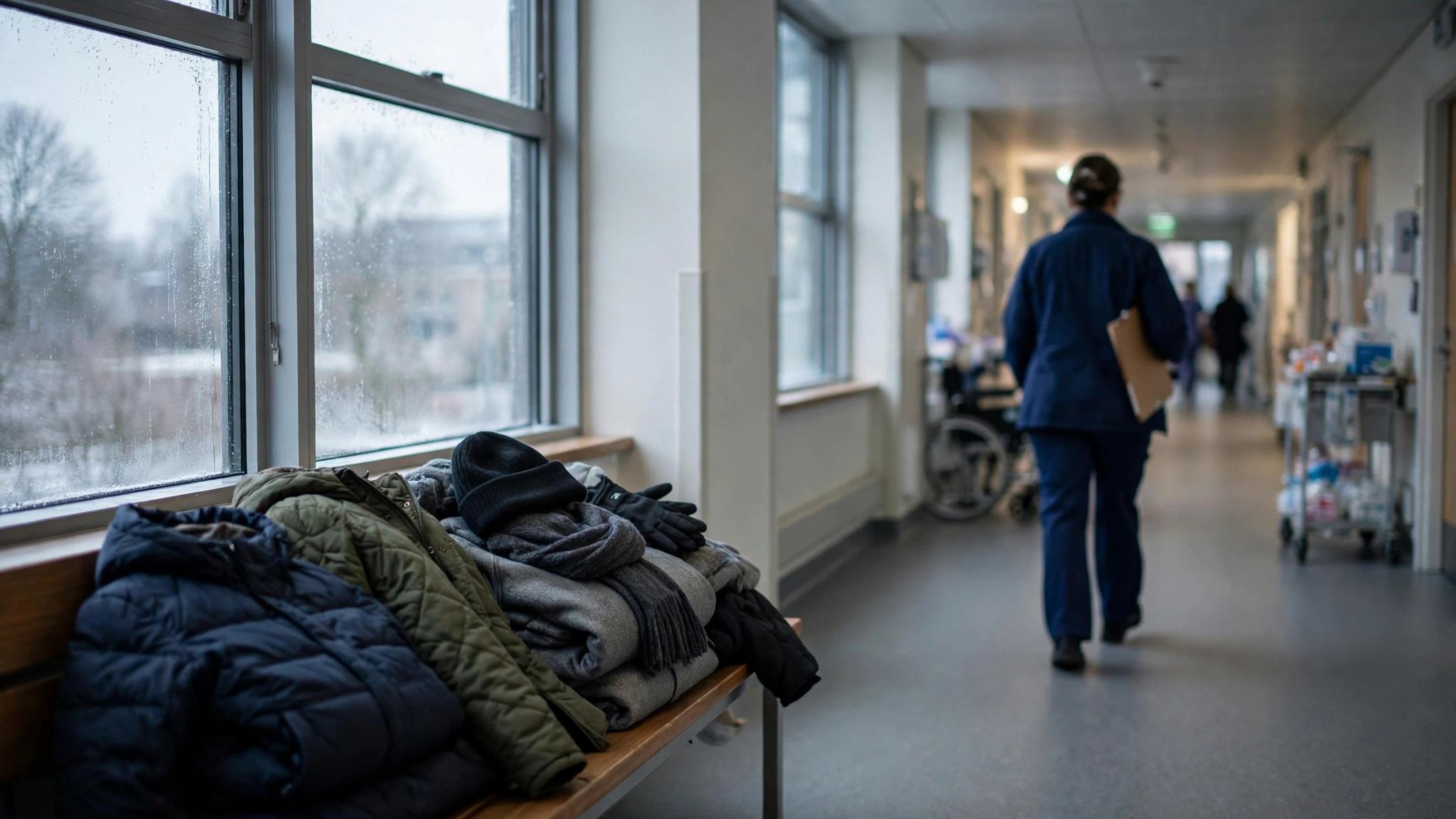
The first cold snap of the year has barely arrived, but the NHS is already preparing for what many inside the service quietly describe as its hardest season. Flu cases are starting to rise, winter bugs are circulating in schools and care homes, and hospitals that run close to full all year round are bracing for the months when demand peaks and there is simply no slack left in the system.
For most of us, winter illness means a week on the sofa feeling wretched. For the NHS, it means something else entirely: more ambulances queuing, more beds filled by people who are very unwell with flu and other respiratory illnesses, and more operations postponed because the wards are full. It happens every year, and every year the message from health leaders is the same — the earlier people prepare, the better the system copes.
Why Winter Hits the NHS So Hard
Winter pressure is not one problem but several arriving at once. Cold weather makes existing conditions worse, particularly breathing problems and heart conditions. Viruses spread more easily when we spend more time indoors with the windows shut. Norovirus, the vomiting bug that can sweep through a ward and force it to close to new admissions, tends to peak in the colder months. And staff get ill too, which means rotas that are tight in July become stretched to breaking point in January.
None of this is a surprise to anyone who plans hospital services. What varies from year to year is how bad the flu season turns out to be, and how much of it lands at exactly the same moment. That is why preparations begin long before the first frost — extra clinics, vaccination campaigns, and plans to discharge patients home safely and quickly so beds are free for those who need them most.
The Flu Jab: Who Gets It Free, and How to Book
The single most effective thing most people can do is also the simplest: get vaccinated against flu if you are entitled to it. The jab is offered free each autumn to the people most at risk of becoming seriously ill, and in general terms that includes older people, pregnant women, young children, people living with certain long-term health conditions such as asthma, diabetes or heart disease, and carers who look after someone vulnerable.
If you fall into one of those groups, your GP surgery will usually contact you, or you can simply ask at the surgery or a local pharmacy — many high street pharmacies give the NHS jab as well as private ones. Booking is typically quick: an appointment at the surgery, a walk-in pharmacy slot, or a school session for children, who are usually offered a nasal spray rather than an injection.
If you are not eligible for a free jab, pharmacies sell vaccinations privately for a modest fee, and many employers offer them too. It is worth remembering that the vaccine is updated each year to match the strains expected to circulate, which is why last year's jab does not cover you this winter. It takes around two weeks to build up protection, so the advice is always the same: do not wait until everyone around you is coughing.
Keeping Well Through the Cold Months
Beyond the jab, the basics matter more than people think. Keep your home warm enough — a cold house makes breathing problems and circulation worse, especially for older people. Let some fresh air in each day; stuffy, unventilated rooms are where viruses thrive. Wash hands properly and often, particularly after the bus, the school run or the supermarket trolley. And if you do catch something, rest, drink plenty of fluids, and keep the paracetamol stocked up before you need it, not after.
Stocking the medicine cabinet in October sounds mundane, but a thermometer, basic painkillers, plasters and any regular prescriptions ordered in good time can save a miserable trip out in the rain later — and spare the pharmacy and surgery queues too.
Knowing Where to Go: Pharmacy, 111, GP or A&E
One of the strongest appeals from the NHS every winter is to use the right service, because A&E departments are overwhelmed partly by people who could have been helped faster elsewhere.
For minor illness — coughs, colds, sore throats, earache, a dodgy stomach — a pharmacist can advise and supply treatment on the spot, and under current arrangements community pharmacists can deal with a range of common conditions directly. For symptoms you are unsure about, NHS 111, by phone or online, will assess you and point you to the right place, including booking you into an out-of-hours GP or urgent treatment centre if needed. Your own GP surgery remains the place for ongoing concerns, things that are getting worse rather than better, and anything you have already tried to treat at home without success.
A&E and 999 are for genuine emergencies: chest pain, severe difficulty breathing, signs of a stroke, heavy bleeding or a serious injury. Using them for anything less does not just add to the queue — it can delay care for someone whose life depends on minutes.
Looking After Each Other
Winter is also when small acts of neighbourliness carry unusual weight. Older people living alone are among the most likely to become seriously ill with flu, and among the least likely to ask for help early. A knock on the door, a check that the heating is on and the fridge is not empty, an offer to pick up a prescription — these things genuinely change outcomes, and they take pressure off ambulances and wards in ways no policy announcement can.
If you care for an elderly relative, it is worth agreeing in advance what you will do if they become ill: who to ring first, where their medication list is kept, and which hospital bag is packed and ready. Deciding that calmly over a cup of tea in autumn is far easier than deciding it at midnight in a panic.
What Happens Next
The honest position is that the NHS will get through this winter, as it always does — but how comfortably depends on how bad flu gets, and that is partly in our hands. Vaccination rates, sensible use of services, and people seeking help early rather than late all shape the season.
So the checklist is short. If you are entitled to a free flu jab, book it now rather than next month. If someone near you is entitled and has not mentioned it, nudge them. Keep the basics stocked, know which service to use for what, and keep an eye on the neighbours who would never dream of asking. The NHS braces for a tough winter every year. This year, we can brace alongside it.