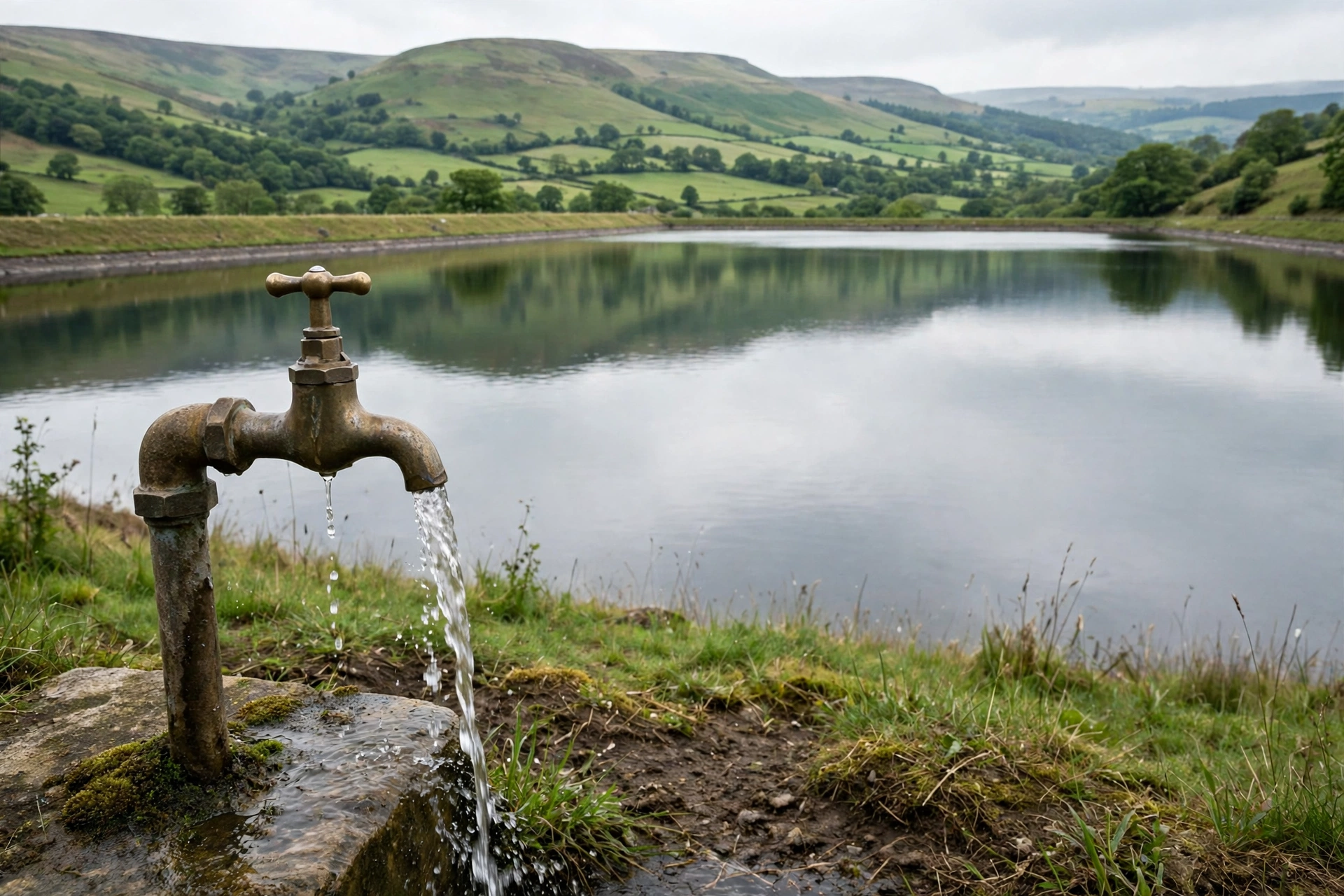
Households across the country are facing higher water bills, as water companies embark on a major programme of investment in pipes, reservoirs, treatment works and sewage systems. For families already juggling rising costs, the increase is unwelcome news, and many are asking a straightforward question: what exactly will the extra money buy, and will the service they receive actually improve?
Water is one of those bills that people rarely think about until it goes up. Unlike energy, where switching supplier is common, most households cannot choose their water company. The bill simply arrives, and it must be paid. That lack of choice makes increases feel particularly hard to swallow, and it puts extra pressure on companies and regulators to show that the money is being spent wisely and that customers are getting value for it.
Why bills are rising
The core reason for the increases is investment. Much of the country's water infrastructure is old, with pipes and treatment works dating back decades. Leaks waste a significant amount of treated water every day, and in dry periods the system struggles to meet demand. At the same time, the sewage network has come under intense public scrutiny after repeated overflows into rivers and coastal waters, and companies are under pressure to upgrade storm overflows and treatment capacity.
Regulators set the framework within which companies operate, approving investment plans and the bill increases needed to fund them. The current round of plans is the largest in a generation, covering new reservoirs, pipe replacement, leak reduction and sewage improvements. Companies argue that without this spending, the system will fail to cope with a growing population, changing rainfall patterns and stricter environmental standards. Critics accept that investment is needed but question whether customers should bear so much of the cost, particularly when companies have paid substantial dividends in the past.
Climate change adds to the pressure. Hotter, drier summers increase demand for water at exactly the time when supplies are lowest, while heavier winter rainfall overwhelms drainage and sewage systems. Building resilience to both extremes costs money, whether that means new storage, better leak detection or upgraded treatment works. The bill increases are, in part, the price of adapting a Victorian-era system to a very different climate.
What households will notice
For most households, the immediate effect is simply a bigger bill. The increase lands alongside other rising costs, and for people on tight budgets it means finding savings elsewhere. Some households will be eligible for support schemes, including social tariffs that reduce bills for low-income customers, but awareness of these schemes remains patchy, and many people who qualify never apply.
Beyond the bill itself, customers want to see tangible improvements: fewer leaks in their street, cleaner rivers, fewer hosepipe bans in summer, and sewage overflows reduced. Companies have published targets for these outcomes, and regulators will track progress, but the benefits of major engineering projects take years to appear. A new reservoir or a major pipe replacement programme cannot be delivered overnight, and customers may pay higher bills for some time before they see the difference.
There is also a fairness question. Households that use a lot of water, for example large families, will feel increases more keenly, while those on meters can control their bill by using less. Water-saving measures, from fixing dripping taps to using water-efficient appliances, can help, and companies offer free devices and advice. But there is a limit to how much a household can save, and for many the bill is largely fixed regardless of behaviour.
The debate over who pays
The question of who should pay for water investment is fiercely debated. Companies argue that customers benefit from the improvements, so customers should fund them through bills, with shareholders also contributing capital. Consumer groups counter that companies should have invested more steadily over past decades instead of allowing infrastructure to deteriorate, and that shareholders, not customers, should bear a larger share of the catch-up cost.
Trust is a central issue. Public confidence in water companies has been shaken by pollution incidents, executive pay and dividend payments, and many customers are sceptical that higher bills will translate into better service. Regulators have responded with tougher targets, financial penalties for failure, and requirements for companies to explain their spending in plain terms. Whether that restores trust will depend on delivery: if rivers get cleaner and leaks fall, scepticism may ease; if not, anger will grow.
The political dimension is unavoidable. Water is an essential service, and bill rises become a matter of public debate in a way that few other utility increases do. Politicians of all stripes have weighed in, calling for tougher action on pollution and for better protection for vulnerable customers. How far regulation goes, and whether the structure of the industry itself is questioned, will shape the next round of investment decisions.
What happens next
Households should check whether they are on the best deal for their circumstances. Those without a meter may save by switching to one if their usage is low, while those struggling to pay should contact their company about support tariffs and payment plans, which are often available but rarely advertised loudly. Simple water-saving steps can also trim a metered bill, though they will not offset the full increase.
In the longer term, the test will be delivery. Companies have promised cleaner rivers, fewer leaks and more resilient supplies, and regulators will publish progress against those promises. Customers, meanwhile, will judge with their own eyes: the state of their local river, the frequency of roadworks for pipe repairs, and whether the tap runs reliably through a dry summer. Higher bills are easier to accept when the improvements are visible. If they are not, the debate over who pays for water, and how the industry is run, is only going to intensify.