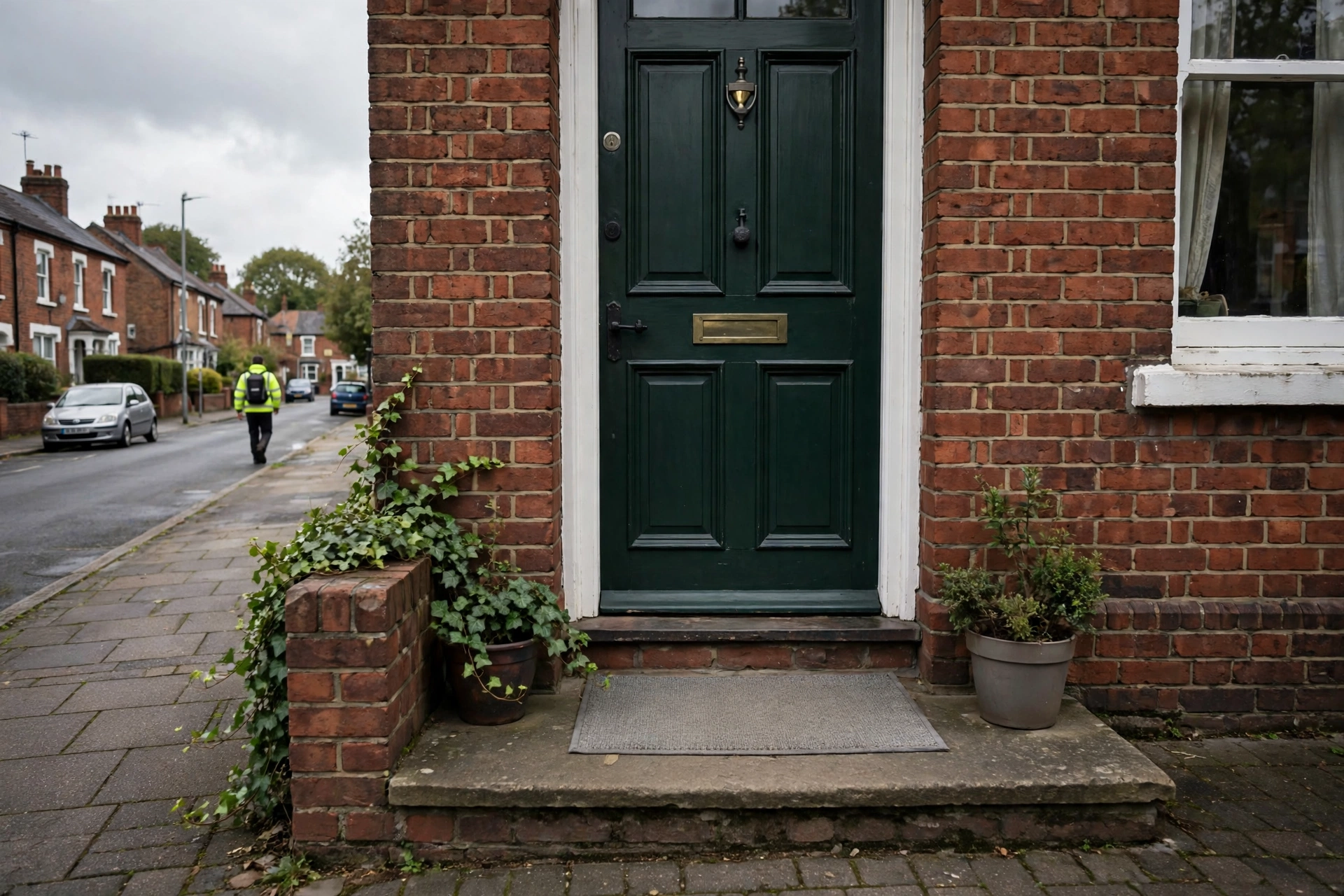
There are few modern frustrations quite like the missing parcel. The tracking says "delivered," the doorbell never rang, and there is no parcel in sight. Whether it was a birthday present, a phone case, or a weekly shop, the feeling is the same: you have paid for something you do not have.
The good news is that you have clear rights, and most missing-parcel problems are resolved once you follow the right steps in the right order. The key is to stay calm, gather evidence, and deal with the right company first.
First: Check the Tracking and the Obvious Places
Before you report anything, spend a few minutes checking the obvious. Open the tracking link and read it carefully. "Delivered" can mean different things with different couriers: it may mean left with a neighbour, left in a safe place, or left at a collection point. Look for a photo of the delivery, a note about where the parcel was left, or a reference number for a collection point.
Then check the usual places: behind bins, in the porch, behind a gate, in the shed, in a recycling box, and anywhere a courier might reasonably have left a parcel out of sight. Ask everyone in the household whether they have seen it or brought it in, and check with anyone else who has access to the property.
If the tracking still shows the parcel as in transit or at a depot, give it a little time — a day or two is reasonable. Parcels are sometimes scanned early or delayed by a day, and chasing too soon can waste everyone's time. But if the tracking says delivered and the parcel is nowhere to be found, it is time to act.
Ask Around: Neighbours, Safe Places, and the Depot
Couriers often leave parcels with a neighbour if nobody is home. Knock on the doors of your immediate neighbours and ask whether anything was left with them. Check with anyone who lives in flats above or below you, if that applies, and check communal areas such as hallways and post rooms.
If you have a nominated safe place — a porch, a shed, a locker — check it thoroughly, and check whether the courier's photo shows a location you recognise. If the photo shows a doorstep that is not yours, that is useful evidence.
If the parcel was due to go to a collection point or a Post Office branch, check there with your tracking reference and some identification. Sometimes a parcel sits at a collection point because the notification card or message never reached you.
Contact the Retailer First
This is the step many people get wrong. If your parcel is missing, your contract is with the retailer you bought from — not the courier. Under UK consumer law, the retailer is responsible for the goods until they reach you. That means it is the retailer's job to sort the problem out, even if the courier is the one who lost the parcel.
Contact the retailer's customer service team, by email or through their website so you have a written record, and explain the situation clearly: what you ordered, when, the tracking reference, and what the tracking shows. Ask them to investigate, and be clear about what you want: a replacement or a refund.
Most reputable retailers will investigate with the courier and then send a replacement or refund. They may ask you to wait a few days while they check with the courier, which is reasonable. If they ask you to contact the courier yourself, you can politely remind them that the contract is with them. You can still contact the courier in parallel — it sometimes speeds things up — but the retailer remains responsible.
If the Retailer Will Not Help
If the retailer refuses to help, or stops replying, do not give up. Reply in writing, restating the facts and your rights: the goods have not been delivered, and under the Consumer Rights Act 2015 the retailer is responsible for delivery. Give them a clear deadline — fourteen days is reasonable — to provide a replacement or a refund.
If the item was bought through an online marketplace, check the marketplace's own buyer-protection process. Marketplaces usually have a formal route for items that never arrived, and they can often refund you directly if the seller will not cooperate.
If you bought from a social media seller or an individual, the position is trickier, but you may still have options through your payment provider. Keep all messages, receipts, and tracking information, as you will need them for any claim.
When to Escalate: Chargebacks and Section 75
If the retailer will not resolve the problem and you paid by card, your bank or card provider may be able to help.
If you paid by debit card, you can ask your bank for a chargeback — a process that reverses the payment. Chargebacks are generally available for a limited period after the purchase, so do not wait too long.
If you paid by credit card and the item cost more than £100, you may be protected under Section 75 of the Consumer Credit Act, which makes the card provider jointly responsible with the retailer. This is a powerful protection, and it is one of the reasons consumer advisers often recommend using a credit card for larger online purchases. Contact your card provider, explain the situation, and provide the evidence you have gathered.
For smaller amounts paid by credit card, a chargeback may still be available. Your card provider can tell you which route applies.
Keep a Record of Everything
Throughout the process, keep a simple record: order confirmations, tracking screenshots, emails and messages, the names of people you spoke to, and the dates of every contact. If you knock on neighbours' doors, note what they said. If a courier's photo shows the wrong address, save the photo.
This record is useful for two reasons. First, it keeps you organised when you are dealing with more than one company. Second, it becomes evidence if you need to escalate the claim to your bank, a marketplace, or a consumer advice service. A clear, dated timeline is far more persuasive than a frustrated phone call from memory.
Preventing the Problem Next Time
Once your missing parcel is resolved, a few habits can reduce the chance of it happening again. Choose delivery to a collection point or a parcel locker if you are often out, so the parcel waits securely rather than sitting on a doorstep. If your courier allows it, set a safe place and leave clear delivery instructions on your account. Consider a doorbell camera or a parcel box, which deters opportunistic theft and gives you evidence if something does go wrong.
A missing parcel is annoying, but it is almost always fixable. Check the obvious places, contact the retailer promptly, keep good records, and escalate through your payment provider if you have to. In most cases, patience and a paper trail will get you your money back or your parcel replaced.