


Introduction
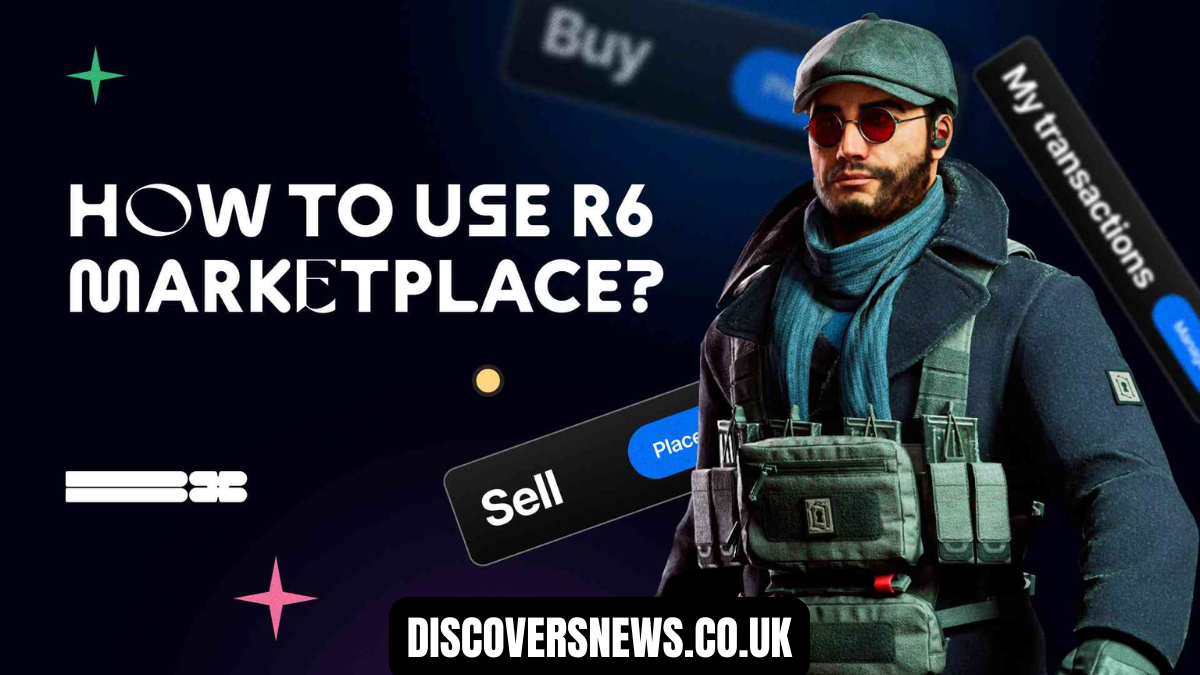
R6 Marketplace For years, players have invested time, effort, and creativity into customizing their experience inside competitive multiplayer games. Skins, charms, weapon finishes, and operator cosmetics became more than visual upgrades — they evolved into symbols of identity, progression, and status. Yet one major limitation remained: ownership without flexibility.
What happens when players want to trade, monetize, or redistribute the cosmetic value they’ve accumulated?
This is where the concept of the R6 Marketplace begins to reshape the ecosystem surrounding Tom Clancy’s Rainbow Six Siege. More than just a trading hub, it reflects a broader shift toward player empowerment in digital economies.
As competitive gaming matures, the ability to exchange in-game assets securely and transparently is becoming a defining feature of modern gaming ecosystems.
Understanding the R6 Marketplace
At its core, the R6 Marketplace represents a structured environment where players can exchange cosmetic items within a secure framework.
Unlike informal trading practices of the past, which often relied on trust-based exchanges or third-party arrangements, the marketplace introduces legitimacy and structure to player-to-player interactions.
Instead of unused skins collecting digital dust, players now have the potential to:
- Recycle value from dormant inventory
- Access rare cosmetics previously locked behind time-limited events
- Build personalized loadouts without relying solely on chance-based systems
This marks a significant evolution in how cosmetic ownership is perceived. Items are no longer static rewards — they become dynamic assets within a living economy.
Why Player-Driven Economies Matter
Digital ownership has always existed in games, but it lacked mobility. Players earned items, but they couldn’t redistribute them meaningfully.
The R6 Marketplace introduces something closer to a circular economy inside a competitive shooter.
This has several implications:
Personal Investment Gains Tangible Value
When players dedicate hundreds of hours to unlocking exclusive content, the marketplace allows that time investment to carry ongoing relevance.
Instead of cosmetic items fading into obscurity as seasons pass, they retain social and aesthetic value through trade.
Reduced Fear of Missing Out
Limited-time skins have traditionally created pressure-based participation. A marketplace softens this tension by allowing late adopters to obtain legacy cosmetics through exchange rather than exclusivity.
Greater Player Agency
Rather than relying entirely on randomized systems, players gain more control over how they curate their in-game identity.
This shift aligns with a broader trend across online games — moving from passive consumption toward active participation.
The Impact on Competitive Culture
Rainbow Six Siege has always emphasized precision, strategy, and communication over spectacle.
The introduction of a structured marketplace doesn’t undermine competitive integrity. Instead, it strengthens community engagement by providing a parallel layer of personalization that doesn’t affect gameplay balance.
Visual identity becomes:
- A reflection of experience
- A symbol of participation in past events
- A storytelling element tied to a player’s journey
In esports environments where reputation and presence matter, cosmetic identity contributes to recognition without altering performance metrics.
Security and Trust in Digital Trading
One of the major challenges in any trading ecosystem is safety.
Historically, unofficial trading spaces exposed players to scams, impersonation, and irreversible losses.
A structured R6 Marketplace changes that by emphasizing:
- Verified transactions
- Transparent ownership records
- Reduced reliance on external intermediaries
Trust is essential in any functioning marketplace. When players feel secure, participation increases — and with it, the overall vitality of the ecosystem.
How It Enhances Long-Term Engagement
Games thrive when communities remain active between seasonal updates.
A trading ecosystem introduces ongoing engagement loops that exist independently of new content releases.
Players return not just to compete, but to:
- Discover rare items
- Adjust their inventory
- Participate in community-driven valuation
This adds a social and economic dimension that complements gameplay rather than replacing it.
Instead of engagement dropping between updates, marketplace activity helps sustain interest organically.
The Psychology Behind Cosmetic Trading
Customization is deeply tied to player identity.
In tactical games, where every operator choice and loadout reflects strategic preference, visual customization becomes an extension of personal expression.
The R6 Marketplace supports:
- Identity crafting
- Social signaling
- Nostalgia preservation
A skin tied to a past championship season or special event carries emotional significance beyond its appearance.
Trading allows these emotional artifacts to circulate rather than disappear.
Balancing Accessibility and Exclusivity
A successful marketplace walks a careful line.
If everything becomes instantly available, prestige disappears.
If nothing becomes accessible, frustration grows.
The R6 Marketplace creates balance by allowing items to remain rare while still being attainable through exchange.
This maintains:
- Historical value of legacy items
- Incentive for participation in events
- Fair access for newer players
It transforms exclusivity into a journey rather than a permanent barrier.
Marketplace Influence on Game Longevity
Many multiplayer games struggle with lifecycle fatigue.
Once progression systems are exhausted, players drift away.
Trading introduces a meta-layer that extends lifecycle without requiring constant mechanical updates.
The presence of a marketplace:
- Encourages returning players
- Keeps veteran inventories relevant
- Creates evolving community narratives
In this way, value becomes sustained rather than seasonal.
Ethical Considerations in Digital Economies
As in any exchange system, fairness matters.
A well-structured marketplace avoids exploitative dynamics by ensuring:
- Equal visibility of opportunities
- Clear ownership rights
- Protection against manipulation
The goal is not monetization for its own sake, but empowerment of player choice.
When built responsibly, marketplaces enhance community cohesion rather than fragment it.
Actionable Tips for Navigating the R6 Marketplace
Players approaching the marketplace for the first time can benefit from thoughtful participation.
Understanding item history, demand trends, and seasonal relevance helps maximize both personal satisfaction and exchange outcomes.
Patience often proves more valuable than urgency.
Observing how cosmetic desirability shifts across competitive seasons can reveal patterns that guide smarter trading decisions.
Above all, participation should remain aligned with enjoyment rather than purely transactional goals.
FAQs
What is the R6 Marketplace in simple terms?
The R6 Marketplace is a structured environment where players can exchange cosmetic items within Rainbow Six Siege. It allows users to trade skins and visual upgrades securely rather than leaving unused items locked in personal inventories. The goal is to create a more dynamic system of ownership that benefits both long-time players and newcomers.
Does the marketplace affect gameplay balance?
No, the marketplace focuses strictly on cosmetic items. It does not introduce gameplay advantages or performance-based upgrades. This ensures competitive integrity remains intact while still allowing players to personalize their visual experience.
Why is a marketplace important for long-term players?
Veteran players often accumulate rare items tied to past events or seasons. The marketplace allows these items to remain meaningful by enabling exchange. Instead of becoming outdated collectibles, they continue contributing to the community’s evolving identity.
Can new players benefit from it?
Yes. New players gain access to cosmetic items that may no longer be obtainable through standard progression. This helps bridge the gap between long-time participants and recent entrants.
Is trading safe?
A structured marketplace significantly reduces risks associated with informal trading. Secure systems help ensure transparency and ownership clarity, minimizing potential scams.
Will rare items lose their value?
Not necessarily. Rarity often persists due to limited supply and historical significance. The marketplace may even enhance perceived value by increasing visibility and demand.
Does it change how players engage with the game?
Yes. It introduces a social and economic layer that complements gameplay. Players engage not only through matches but also through inventory management and personalization.
Is participation mandatory?
No. Players who prefer traditional progression can continue playing without using the marketplace. It exists as an optional enhancement rather than a requirement.
Can cosmetic identity influence community perception?
Absolutely. Visual customization often signals experience, event participation, or personal taste. The marketplace expands opportunities for expression.
How does it help prevent item waste?
Previously unused cosmetics remained dormant. The marketplace allows them to re-enter circulation, benefiting other players while maintaining ecosystem vitality.
Conclusion
The R6 Marketplace represents more than a feature — it reflects a philosophical shift in how digital ownership is understood in competitive gaming.
By empowering players to exchange cosmetic value, it fosters:
- Community interaction
- Long-term engagement
- Personal expression
Most importantly, it transforms static rewards R6 Marketplace into evolving assets within a player-driven ecosystem.
As multiplayer experiences continue to grow in complexity, systems that prioritize flexibility, trust, and identity will shape the future of digital interaction.
