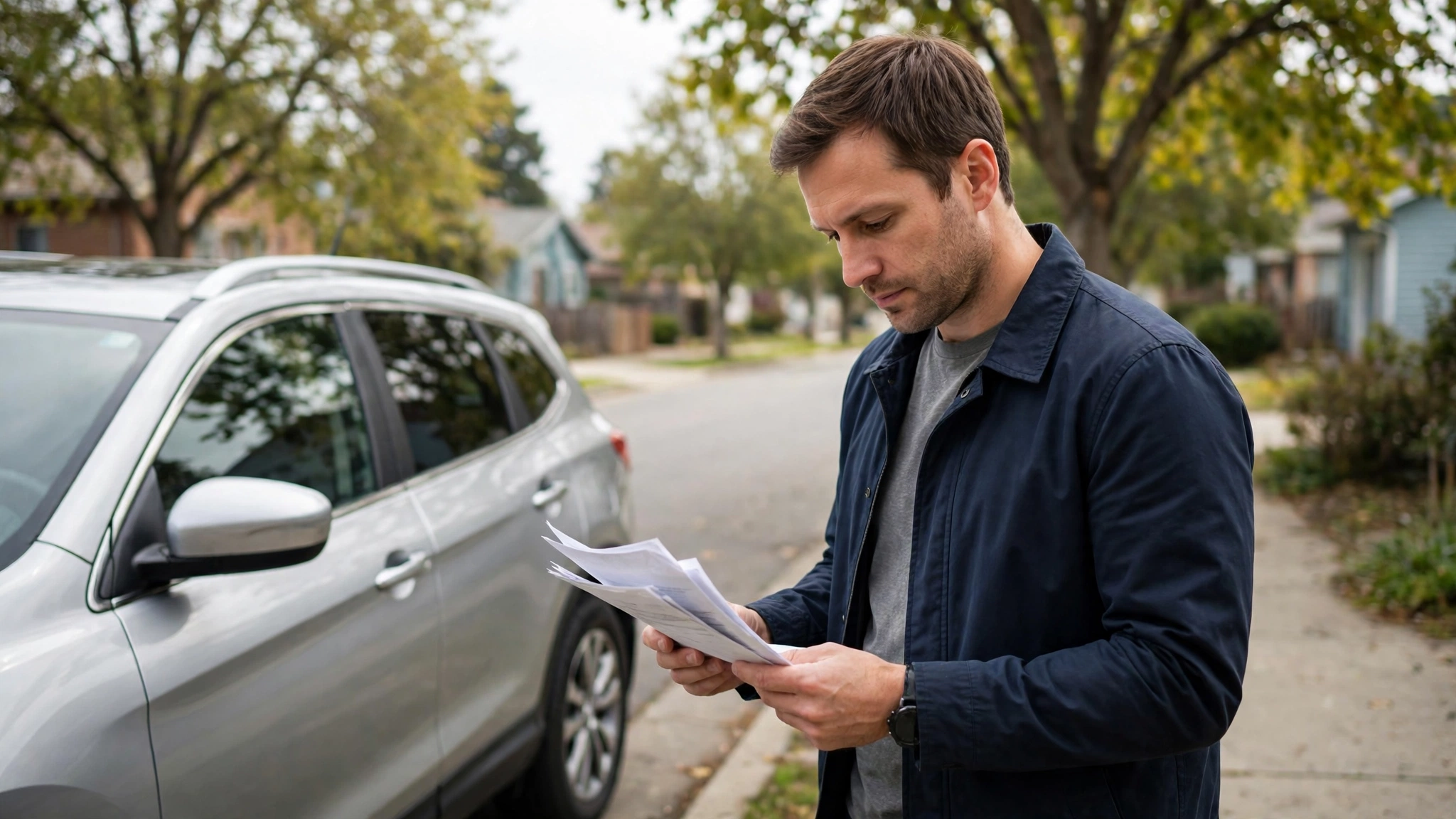
Car insurance has become one of the biggest motoring costs in the UK, and for many drivers the renewal letter has become a moment of dread. Prices have risen sharply in recent years, driven by the cost of repairs, parts, and claims. But while you cannot control the market, you can control how you buy insurance — and small changes to how and when you shop around can make a real difference to what you pay.
None of the ideas below involve cutting corners on cover. They are about buying the right cover, at the right time, in the right way.
Never Let Your Policy Auto-Renew
The single biggest mistake drivers make is letting their policy renew automatically. Insurers know that most customers will not shop around, and renewal prices often reflect that. A driver who renews without checking is very likely paying more than they need to.
When your renewal notice arrives, treat it as a prompt, not a bill. Use it as your starting price, then compare it against the rest of the market. Even if you end up staying with the same insurer, you may be able to negotiate a better price by showing them a cheaper quote from elsewhere. Loyalty is rarely rewarded in insurance — comparison is.
Shop Around — and Time It Well
Comparison websites are the fastest way to see what the market offers. Run your details through two or three of them, and also check a couple of insurers that do not appear on comparison sites. Prices vary widely between insurers for the same driver, because each one assesses risk differently. A quote that seems expensive from one insurer can be hundreds of pounds cheaper from another.
Timing matters too. Buying cover at the last minute is usually more expensive. Shopping around a few weeks before your renewal date — roughly three weeks ahead is often cited as a sweet spot — tends to produce lower prices than leaving it to the final days. Insurers appear to view organised, early shoppers as lower-risk, and their prices reflect it. Set a reminder for three or four weeks before your renewal, and start comparing then.
Get the Details Right
The details on your policy affect your price, and getting them right can save money. Annual mileage is one of the biggest: if you have overestimated how far you drive, you may be paying for miles you never do. Work out your real mileage from your MOT history or your car's odometer, and give an accurate figure. Underestimating deliberately is fraud and can void your cover — accuracy is what saves money safely.
Your job title matters too. Insurers group occupations into categories, and similar-sounding titles can carry different prices. A "chef" and a "kitchen manager" may be priced differently, for example. Describe your job accurately, and if there are two honest descriptions, it is worth checking whether one is cheaper. Never describe your job inaccurately to get a lower price — that can invalidate a claim.
Where the car is kept overnight also affects the price. A car parked in a garage or on a driveway is usually cheaper to insure than one parked on the street. If your circumstances have changed — you have moved house, built a garage, or started parking off-road — tell your insurer, as it may reduce your premium.
The Excess Question
Your excess is the amount you agree to pay towards a claim. Policies have a compulsory excess set by the insurer, plus a voluntary excess you choose. Raising your voluntary excess usually lowers your premium, because you are taking on more of the risk yourself.
The trick is to set the excess at a level you could genuinely afford if you had to claim. A £500 voluntary excess that saves £40 a year is a bad deal if you could not find £500 after an accident. A moderate increase — from £100 to £250, say — is often a sensible middle ground: a meaningful saving on the premium, and an amount most drivers could manage.
Named Drivers, Black Boxes, and Paying Annually
Adding a more experienced named driver — a parent, a partner, or a spouse — can sometimes reduce the premium, especially for younger drivers, because the insurer sees the car being driven by someone lower-risk some of the time. The named driver must genuinely use the car sometimes; naming someone who never drives it to cut the price is a form of fraud known as fronting, and it can void your cover entirely.
Young and new drivers may benefit from a telematics policy — a "black box" that monitors driving and rewards safe habits with lower premiums. These policies are not for everyone, and they come with conditions, but for a careful young driver they can be dramatically cheaper than a standard policy.
Finally, consider how you pay. Paying monthly usually means paying interest on top of your premium, because the insurer is effectively lending you the money. If you can afford to pay annually, you will usually save a meaningful amount — often around ten percent. If you cannot, a zero-percent credit card used carefully, or saving a little each month into a separate pot for next year's premium, can achieve the same effect.
Check Your Cover, Not Just Your Price
Before you switch, check what you are actually buying. A cheaper policy that excludes windscreen cover, courtesy car provision, or legal expenses may not be the bargain it appears to be. Compare like with like, and decide which extras you genuinely need. Many drivers pay for add-ons they never use — breakdown cover they already have through a bank account, for example, or key cover they do not need.
Read the policy documents for the shortlisted quotes, and check the insurer's reputation for paying claims. The cheapest quote is not always the best value if the insurer is difficult to deal with when something goes wrong.
A Renewal Routine That Pays
Cutting car insurance costs is not about one clever trick. It is a routine: start early, compare widely, get the details right, set a sensible excess, and pay annually if you can. Do that every year, and the savings add up — year after year, without ever compromising the cover you rely on when it matters.