



Early life and royal upbringing
Prince Harry was born into one of the most recognised families in the world, the British royal family. As the younger son of the Prince of Wales and Diana, Princess of Wales, he grew up in a public environment that blended tradition, ceremony, and constant media attention. From an early age he was exposed to royal duties, official engagements, and the expectations placed upon members of the monarchy.
Despite the formal setting of royal life, his upbringing also included efforts by his mother to give him and his brother a more grounded experience of the world. They travelled, visited charities, and encountered people from diverse backgrounds across the United Kingdom and beyond. These experiences shaped Harry’s awareness of social issues and later influenced many of the causes he chose to support as an adult.
Education and personal development
Prince Harry’s education followed a path similar to that of many members of the royal family, combining traditional schooling with experiences designed to develop independence and resilience. He attended well known British schools where he participated in sport, outdoor activities, and community life. These formative years helped establish his interest in teamwork, competition, and service.
After completing his formal schooling, he took time to explore life beyond the classroom. Travel and volunteering played an important role in this stage of his development. Spending time in Africa, in particular, left a lasting impression on him. Encounters with conservation projects and humanitarian initiatives deepened his interest in charitable work and strengthened his sense of purpose outside the confines of palace life.
Military service and sense of duty
One of the defining chapters of Prince Harry’s early adult life was his military career. Choosing to serve in the British Army, he underwent rigorous training and later deployed on active duty. His time in the armed forces was widely viewed as a demonstration of commitment and a desire to contribute in a meaningful way beyond ceremonial responsibilities.
Military service also influenced Harry’s later advocacy for veterans and service personnel. He became particularly aware of the challenges faced by soldiers returning from conflict, including physical injuries and mental health struggles. These insights inspired several initiatives dedicated to supporting veterans and highlighting the importance of recovery, rehabilitation, and community support.
Relationship with the media
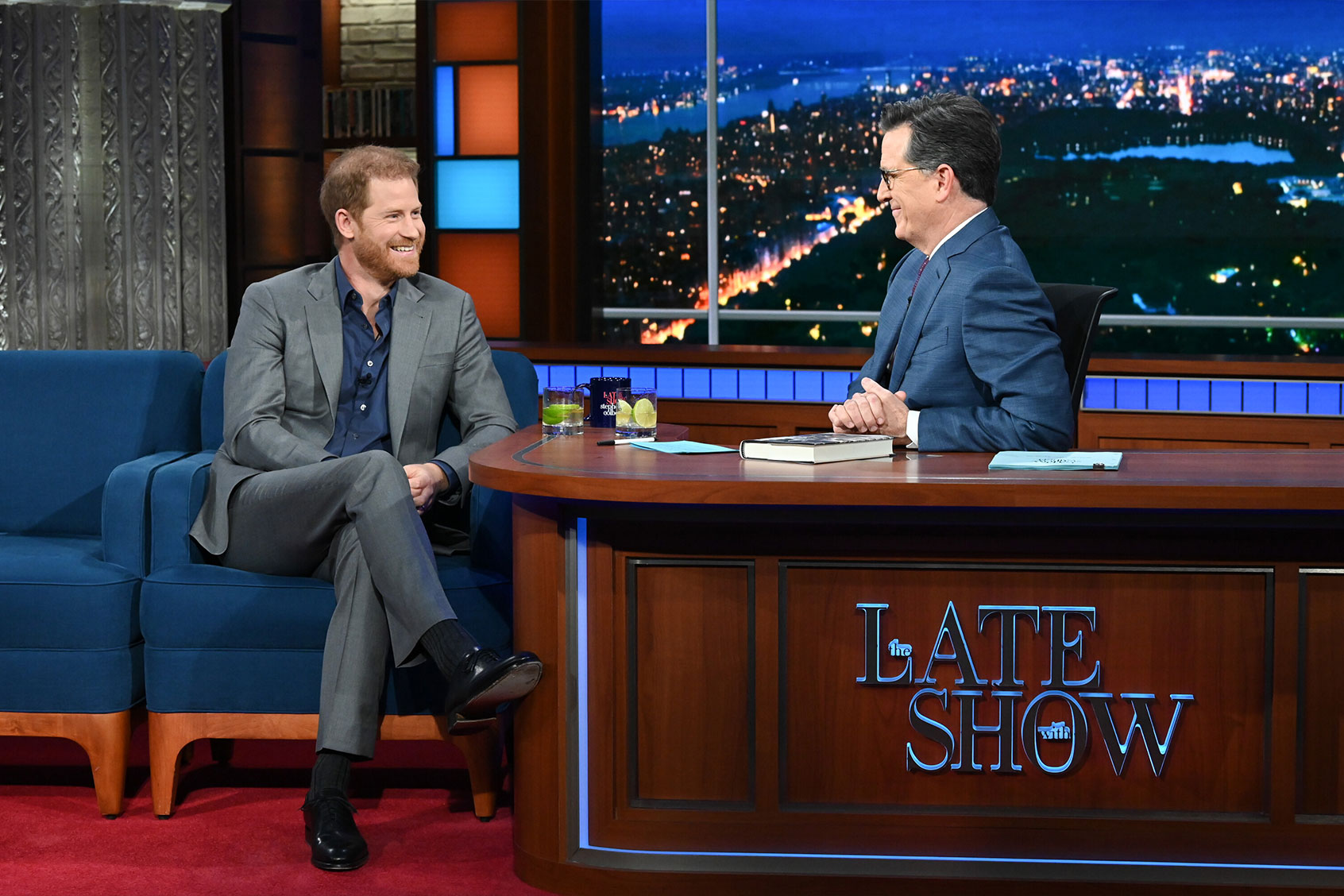
Prince Harry’s relationship with the media has been one of the most widely discussed aspects of his life. Growing up under intense public scrutiny shaped his perception of journalism and privacy. The constant presence of photographers and headlines often created a challenging environment, particularly during periods of personal difficulty.
Over time, he became increasingly vocal about the pressures placed on public figures and the potential harm caused by intrusive reporting. His experiences led him to speak openly about mental health and the effects of public attention. For many observers in the United Kingdom, this willingness to address sensitive issues marked a shift in how members of the royal family engage with modern media culture.
Marriage and family life
Prince Harry’s marriage to Meghan Markle attracted global attention and sparked extensive discussion about the evolving role of the royal family. Their relationship symbolised a blend of tradition and modernity, bringing together royal heritage and contemporary cultural perspectives. The wedding itself was widely celebrated and reflected elements of both British royal ceremony and international influence.
Family life soon became central to Harry’s identity beyond royal duties. Parenthood introduced new priorities and shaped many of the decisions he and his wife later made regarding privacy, work, and residence. Their focus on protecting family life while maintaining a public platform became a defining theme in their story.
Stepping back from royal duties
A major turning point came when Prince Harry and Meghan announced their intention to step back from senior royal responsibilities. This decision sparked extensive debate across the United Kingdom and internationally. Supporters viewed the move as an attempt to create a healthier balance between public service and personal wellbeing, while critics questioned the implications for royal tradition.
The transition involved relocating abroad and establishing new professional and philanthropic ventures. Although no longer carrying out official royal duties in the same capacity, Harry continued to emphasise service, charitable work, and advocacy. The decision represented a significant shift in how a member of the royal family could define their role in the modern era.
Philanthropy and charitable causes
Charitable work has remained central to Prince Harry’s public identity. Over the years he has championed a variety of causes including mental health awareness, support for military veterans, conservation, and youth development. Many of these initiatives reflect personal experiences or issues he encountered during travel and military service.
One of his most widely recognised contributions is the creation of sporting events and programmes designed to support wounded service personnel. Through these initiatives he sought to demonstrate the healing power of sport, teamwork, and resilience. His involvement in global charity networks has also helped raise awareness of issues such as environmental protection and community empowerment.
| Initiative | Focus | Impact in the United Kingdom and globally |
| Invictus style sporting events | Rehabilitation and recognition of wounded veterans | Increased public awareness of veteran recovery and inspired similar programmes |
| Mental health campaigns | Encouraging open conversations about wellbeing | Reduced stigma and encouraged discussion across communities |
| Conservation partnerships | Protection of wildlife and natural habitats | Strengthened international collaboration on environmental protection |
| Youth leadership programmes | Empowering young people through education and opportunity | Created platforms for young voices and social innovation |
These projects demonstrate how Harry’s work has often extended beyond traditional royal patronage, embracing partnerships with organisations, activists, and community leaders across different regions of the world.
Influence on the modern monarchy
Prince Harry’s life and choices have contributed to broader discussions about the future of the British monarchy. As social expectations change, public interest has grown in how royal institutions adapt while preserving tradition. Harry’s journey reflects tensions between long established protocols and contemporary values such as personal autonomy, transparency, and global engagement.
His willingness to speak openly about personal challenges, mental health, and media pressure has encouraged conversations rarely associated with royal figures in the past. This openness resonates with younger audiences who often seek authenticity and relatability in public figures. At the same time, it has prompted debate about how much change the monarchy can accommodate while maintaining its ceremonial role.
Public perception in the United Kingdom
Public opinion about Prince Harry varies widely across the United Kingdom. For some, he represents a compassionate advocate who has used his platform to address important issues. His work with veterans and mental health charities in particular has earned admiration from many communities.
Others remain more critical, particularly regarding his decision to step away from official duties and his public discussions about royal life. Media coverage and commentary often reflect these contrasting viewpoints, highlighting the complexity of public sentiment. This mixture of support and criticism demonstrates how deeply the monarchy remains connected to national identity and public conversation.
Media projects and storytelling
In recent years Prince Harry has expanded his influence through media and storytelling projects. These ventures aim to explore themes such as mental wellbeing, resilience, and social change. Through documentaries, interviews, and written work he has shared personal reflections as well as broader perspectives on global issues.
These projects also illustrate how modern public figures can engage audiences beyond traditional platforms. By collaborating with media organisations and creative partners, Harry has reached international audiences and contributed to discussions about leadership, empathy, and responsibility. This shift toward storytelling represents a new form of public engagement that differs from traditional royal communication.
The evolving role of public figures
Prince Harry’s journey highlights broader changes in how public figures navigate identity and responsibility. Historically, members of the royal family were expected to maintain strict boundaries between personal life and public duty. In contrast, contemporary audiences often value openness and emotional honesty.
Harry’s approach reflects this cultural shift. By discussing topics such as grief, mental health, and personal growth, he has contributed to a more humanised image of public leadership. Whether admired or criticised, this approach continues to influence conversations about authenticity, privacy, and the responsibilities of individuals in positions of visibility.
Future possibilities and global influence
Looking ahead, Prince Harry’s role is likely to remain dynamic. Without the constraints of full time royal duties, he has greater freedom to pursue initiatives across different sectors including charity, media, and social advocacy. This flexibility allows him to collaborate with organisations and communities in ways that traditional royal roles might not permit.
His global recognition ensures that his actions will continue to attract attention. Whether through philanthropic campaigns, cultural projects, or international partnerships, his influence extends far beyond the United Kingdom. As public expectations evolve, his story will remain part of the broader narrative about how tradition and change coexist within modern institutions.
Conclusion
Prince Harry’s life reflects the complexities of balancing heritage, personal identity, and public responsibility. From his upbringing within the British royal family to his military service, charitable work, and decision to redefine his role, he has consistently been at the centre of public conversation. His journey illustrates both the opportunities and challenges faced by individuals born into highly visible institutions.
For the United Kingdom, his story continues to spark discussion about the future of the monarchy and the evolving expectations placed on public figures. Regardless of differing opinions, Prince Harry remains an influential voice in conversations about mental health, service, compassion, and social change.
FAQs
What is Prince Harry known for in the United Kingdom
Prince Harry is widely known for his role as a member of the British royal family, his military service, and his charitable work. Many people associate him with initiatives supporting veterans, mental health awareness, and global humanitarian causes. His life has also been the subject of significant media attention and public discussion.
Why did Prince Harry step back from royal duties
Prince Harry and his wife chose to step back from senior royal responsibilities in order to create a different balance between public service and personal life. The decision allowed them to pursue independent projects and focus on family wellbeing while still supporting charitable initiatives.
What charitable causes does Prince Harry support
Prince Harry has supported a wide range of causes including veteran rehabilitation, mental health awareness, conservation efforts, and youth leadership programmes. His advocacy often reflects personal experiences and aims to encourage long term social impact.
How has Prince Harry influenced public conversations
Prince Harry has contributed to discussions about mental health, media responsibility, and the pressures faced by public figures. By sharing personal experiences and supporting open dialogue, he has encouraged greater awareness of emotional wellbeing and the importance of compassion in public life.
You may also read: Common technical causes behind ssis 469
