


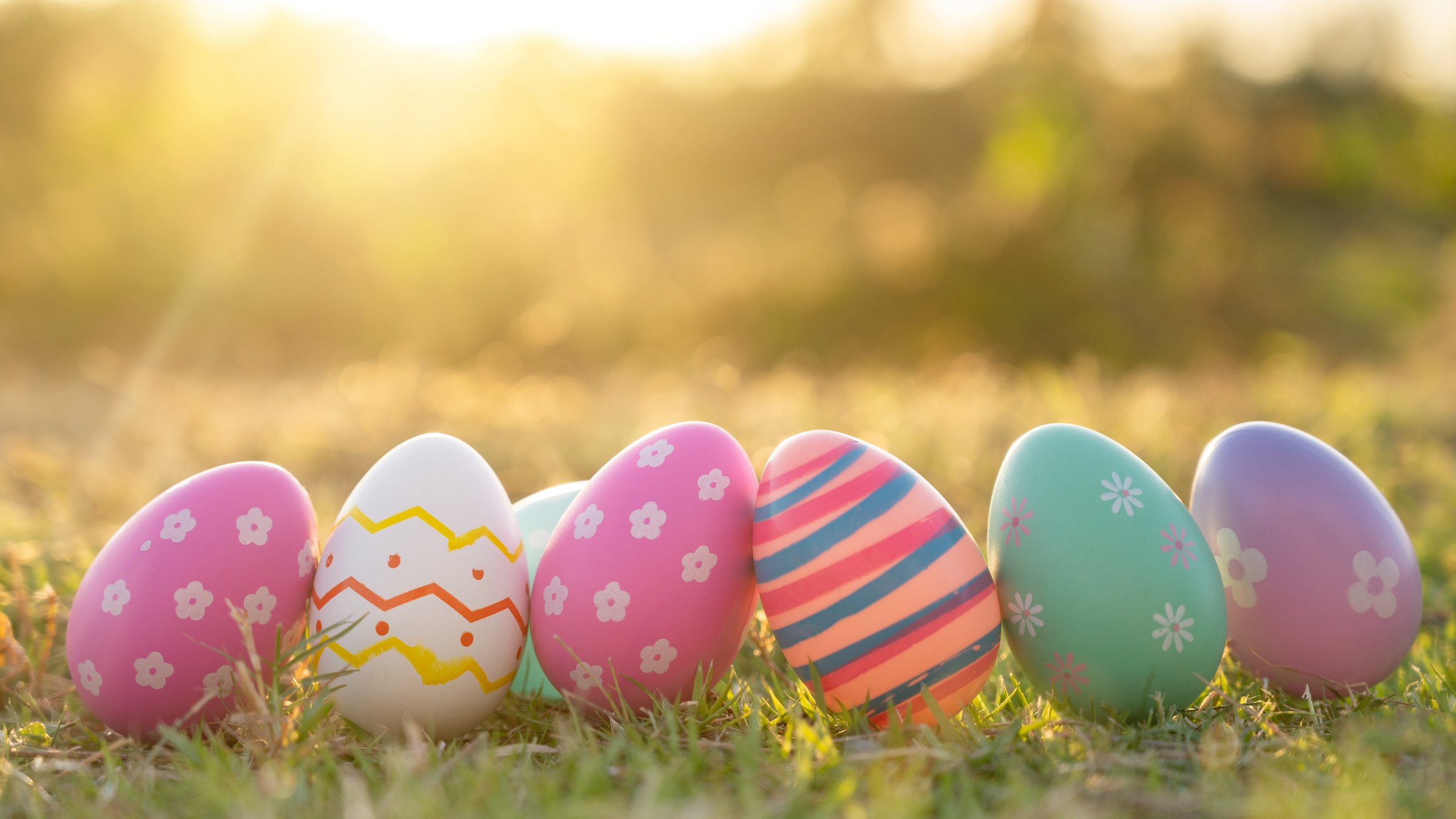
Easter holds a profound significance within the cultural and social calendar of the United Kingdom, marking a transition from the dark winter months into the bright and hopeful season of spring. Across England, Scotland, Wales, and Northern Ireland, communities come together to celebrate a festival that blends deeply held religious beliefs with ancient seasonal customs. The arrival of this holiday signals longer days, blooming flora, and a collective sense of rejuvenation that permeates towns and countryside alike. Families use this time to reconnect, often travelling considerable distances to share meals and participate in local festivities that have been passed down through generations.
The holiday is characterised by a unique atmosphere of both solemn reflection and joyful indulgence, making it one of the most widely observed events of the year. While the religious observance remains central for many, the broader secular celebration has grown to encompass everyone, regardless of their personal faith. Streets and shop windows are decorated with pastel hues and symbols of new life, creating a cheerful environment that uplifts the national mood. This period serves as a vital psychological boost for the British public, offering a well deserved pause from the routine of daily work and school schedules.
Historical background and cultural evolution
The roots of the festival stretch back millennia, originating as a complex tapestry woven from pagan spring equinox celebrations and Christian theology. Long before the arrival of Christianity in the British Isles, ancient populations celebrated the rebirth of nature and the return of fertility to the land. The goddess Eostre, from whom the English name of the festival is derived, was venerated during the month of April, and her symbols of hares and eggs eventually became intertwined with the newer religious narrative. This blending of traditions allowed the incoming Christian faith to establish itself more easily, adopting and adapting existing customs to tell the story of resurrection and spiritual renewal.
Over the centuries, the way the holiday is observed has evolved significantly, shifting from strictly religious ceremonies to a more commercialised and family-oriented long weekend. During the Victorian era, many of the customs we recognise today, such as the giving of chocolate rather than real painted eggs, began to take shape and gain widespread popularity. Industrialisation and the subsequent creation of public bank holidays further transformed the period into a time for leisure and recreation for the working classes. Today, the festival represents a fascinating amalgamation of solemn church services, historical folklore, and modern consumer culture, reflecting the diverse and ever changing nature of British society.
Traditional baking and seasonal confectionery
Food plays an absolutely central role in the celebrations, with bakeries and home kitchens across the country producing a wide array of sweet and savoury treats. The hot cross bun is perhaps the most iconic baked good associated with the season, featuring a spiced sweet dough studded with currants and raisins, and marked with a pastry cross on top. Historically eaten only on Good Friday, these fragrant buns are now enjoyed throughout the spring, usually served toasted and generously spread with thick butter. Another classic favourite is the simnel cake, a light fruitcake covered in marzipan and decorated with eleven marzipan balls to represent the faithful apostles, offering a delicious centrepiece for the Sunday tea table.
Alongside the traditional baked goods, the exchange and consumption of chocolate has become a massive industry in its own right, dominating supermarket shelves from the moment the new year begins. British consumers are incredibly passionate about their chocolate, and the sheer variety of hollow chocolate shapes available is a source of fascination for visitors from overseas. Major confectioners release elaborate creations ranging from simple milk chocolate shells to luxurious artisanal treats infused with exotic flavours and textures. This sweet indulgence is not just for children, as adults equally partake in the gifting and eating of these festive treats, making chocolate the undeniable star of the seasonal menu.
Community events and family traditions
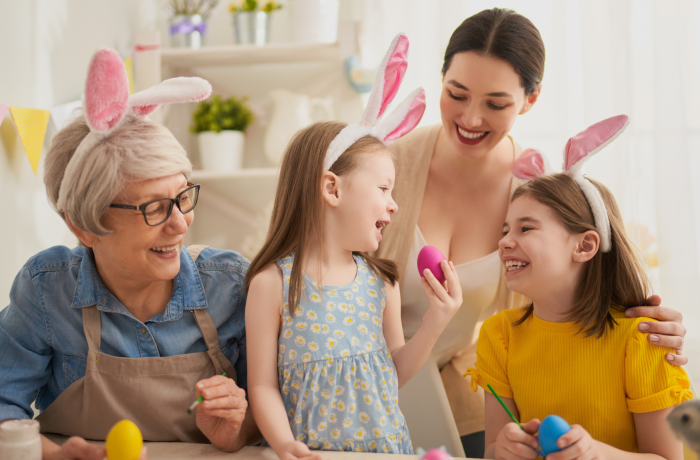
Throughout the nation, the long weekend provides a perfect opportunity for communities to host a variety of outdoor activities and social gatherings. The egg hunt remains an incredibly popular tradition, where parents and local organisations hide small chocolate treats in gardens, parks, and woodland areas for enthusiastic children to discover. Many historic houses and national heritage sites organise grand trails and interactive events, drawing thousands of visitors who wish to enjoy the crisp spring air and beautiful landscaped surroundings. These events foster a strong sense of community spirit and provide a safe, engaging environment for younger generations to participate in the festive cheer.
Beyond the chocolate hunts, several unique and highly regional customs continue to thrive in various parts of the country, preserving a link to Britain’s eccentric folklore. In some northern villages, the practice of egg rolling involves decorating hard boiled eggs and rolling them down grassy hills to see whose egg travels the furthest without breaking. Other areas host traditional folk dancing, such as Morris dancing, where performers dressed in white attire adorned with bells perform rhythmic routines with sticks and handkerchiefs. These charming and sometimes bizarre local customs add a rich layer of cultural heritage to the modern holiday experience, ensuring that historical practices are not lost to time.
Bank holiday travel and springtime getaways
The structure of the public holidays, which includes both Good Friday and the following Monday, creates a four day weekend that prompts massive movement across the domestic travel network. Millions of Britons take advantage of this extended break to embark on short holidays, often heading to coastal resorts, national parks, or picturesque countryside villages. The sudden influx of tourists provides a crucial early season boost to the hospitality and tourism sectors, with hotels, bed and breakfasts, and holiday cottages seeing their first major surge in occupancy for the year. This period effectively marks the unofficial start of the British tourist season, setting the tone for the summer months ahead.
However, this widespread desire to travel also leads to predictable challenges, most notably concerning traffic congestion and public transport disruptions. The national road network frequently experiences heavy delays as families all attempt to reach their holiday destinations simultaneously, turning major motorways into slow moving queues. Additionally, the railway system often schedules its major engineering works during this period, resulting in cancelled trains and replacement bus services that can complicate travel plans. Despite these logistical hurdles, the determination to escape the routine and enjoy a change of scenery remains a powerful motivator for the British public during the spring break.
The economic impact of the spring festival
The commercial significance of the season cannot be overstated, as it represents one of the most lucrative retail periods of the calendar year for British businesses. Supermarkets and high street retailers report massive spikes in sales, driven not only by the purchase of chocolate and festive foods but also by seasonal homeware and spring clothing. The greeting card industry also sees a substantial benefit, as people exchange thoughtful messages with friends and relatives living far away. This surge in consumer spending provides a vital injection of capital into the retail sector, helping to offset the typically quiet months that follow the winter holidays.
Furthermore, the home improvement and gardening sectors experience a major boom as people use their four days off to tackle domestic projects. With the weather slowly improving, garden centres are flooded with enthusiastic amateur gardeners purchasing plants, compost, and outdoor furniture to prepare their outdoor spaces for the warmer months. Hardware stores similarly see an increase in footfall as individuals undertake painting, decorating, and general maintenance tasks around their properties. The holiday weekend therefore serves as an important catalyst for a wide range of industries, demonstrating how cultural traditions directly influence economic patterns across the nation.
| Sector | Primary Activity | Economic Contribution |
| Retail | Chocolate and confectionery sales | High volume revenue |
| Tourism | Domestic holidays and hotel stays | Early season financial boost |
| Agriculture | Spring lamb and seasonal produce | Increased market demand |
| DIY and Home | Garden supplies and hardware | Significant surge in purchases |
| Hospitality | Pub lunches and restaurant bookings | Vital weekend trading |
| Transport | Rail and coach travel | Essential network utilisation |
Conclusion and frequently asked questions
The arrival of spring in the United Kingdom brings with it a vibrant and multifaceted celebration that touches every corner of society. From the quiet solemnity of religious reflection to the joyful indulgence of sweet treats and family gatherings, the holiday represents a perfect blend of ancient heritage and modern lifestyle. The four day weekend serves as a collective deep breath for the nation, offering a chance to recharge, travel, and appreciate the changing of the seasons. As long as the daffodils continue to bloom and the days continue to lengthen, the British affection for this festive period will undoubtedly endure.
The traditions that define this time of year are a testament to the country’s ability to preserve its history while embracing contemporary commercial culture. Whether one chooses to attend a church service, participate in a muddy woodland trail, or simply enjoy a toasted spiced bun with a cup of tea, the essence of the holiday remains universal. It is a festival of hope, renewal, and community spirit that brings light and warmth to the early spring landscape. Below are some of the most frequently asked questions regarding the celebrations and customs observed throughout the country.
When do the bank holidays usually occur
The exact dates shift every year because the timing is determined by a complex lunar calendar rather than a fixed date on the standard calendar. The festival always falls on the first Sunday after the first full moon occurring on or after the spring equinox. This means the celebrations can take place anywhere between the end of March and the latter part of April. In the United Kingdom, both the preceding Friday and the following Monday are designated as public bank holidays, creating a guaranteed four day weekend for the majority of the working population.
What are the most common traditional foods
The culinary traditions of the season are heavily focused on sweet baked goods and roasted meats. Hot cross buns, which are spiced sweet rolls marked with a cross, are consumed in massive quantities throughout the spring. For the main Sunday meal, roast lamb is the traditional centrepiece, often served with seasonal vegetables and a generous serving of mint sauce. Simnel cake, a rich fruitcake decorated with marzipan, is also a classic dessert that has been enjoyed by British families for centuries during this specific festival.
How do communities celebrate the long weekend
Local communities engage in a wide variety of activities that appeal to all age groups and interests. The most widespread activity is the chocolate egg hunt, which is organised in local parks, gardens, and community centres for children to enjoy. Many towns also host spring fairs, craft markets, and special events at historic landmarks that celebrate local heritage and folklore. Additionally, families often use the extended time off to undertake home improvement projects, visit garden centres, or enjoy a long walk in the newly blossoming countryside.
Why do people exchange chocolate eggs
The practice of giving eggs predates modern chocolate and is rooted in ancient symbolism representing new life, fertility, and rebirth, which perfectly aligns with the arrival of spring. Historically, people would decorate real chicken eggs and present them as gifts to friends and family members. During the Victorian era, advancements in confectionery manufacturing allowed for the creation of hollow chocolate alternatives, which quickly became incredibly popular. Today, the exchange of these sweet treats is the most prominent secular tradition of the holiday, loved by children and adults alike.
You may also read: Recent milestones and the massive Adidas collaboration
