There is a particular kind of tiredness that arrives with a British winter. The mornings are dark, the afternoons fade by four o'clock, and the rain seems to settle in for weeks. For many people, mood dips along with the light. You may feel slower, less motivated, more inclined to stay indoors, and less like yourself.
That is a common experience, and it does not mean something is wrong with you. But it is worth taking seriously. Small, steady habits can make a real difference to how you feel through the darker months — and knowing when to ask for help matters just as much.
Get Whatever Light You Can
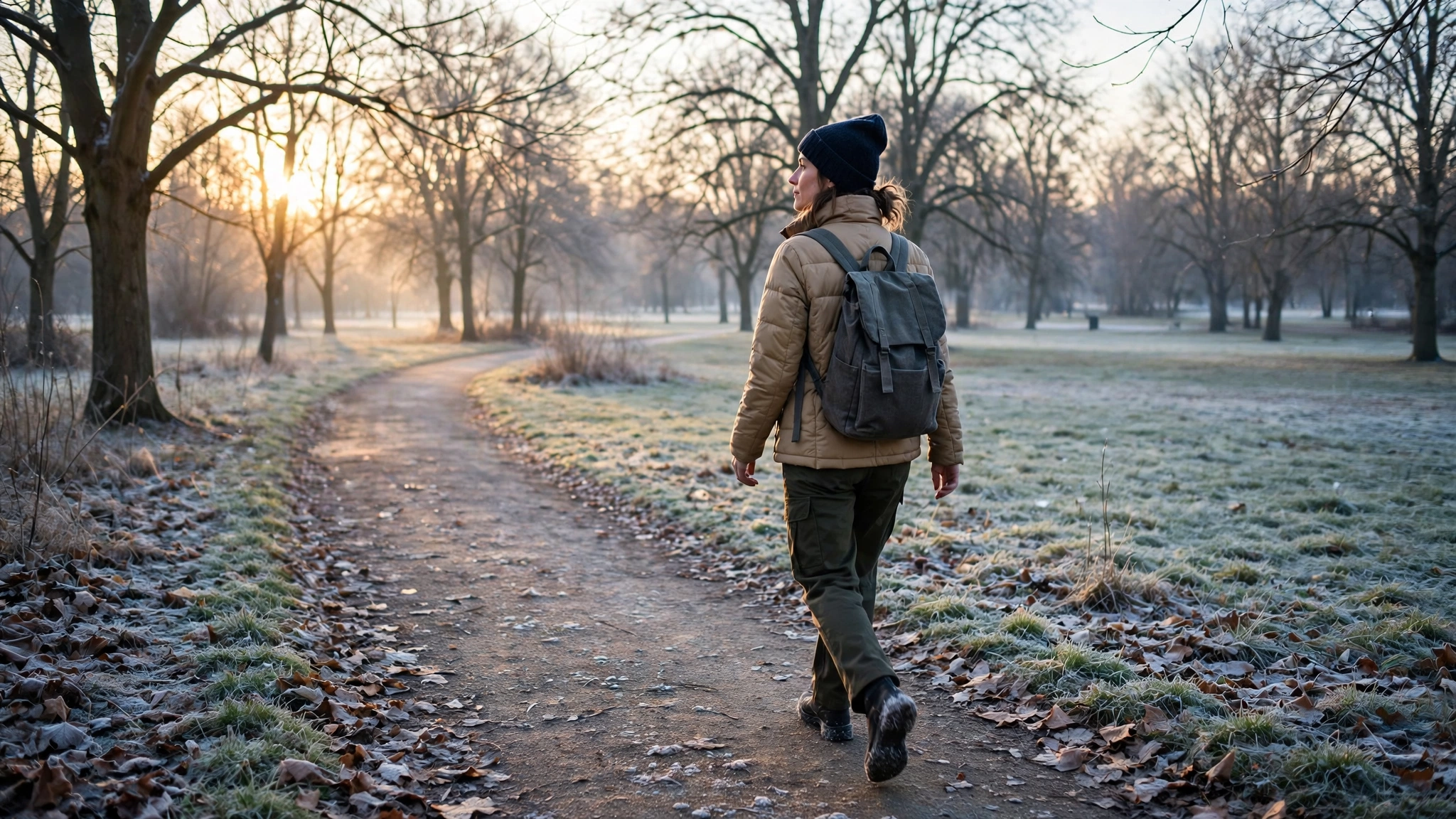
Light is the single most powerful lever on winter mood. The days may be short, but the light that is available still helps — especially morning light. If you can, get outside within an hour or two of waking, even if it is grey and overcast. A twenty-minute walk in daylight does more than an hour sitting by a window.
At home, make the most of the light you have. Open curtains fully, sit near a window when you work, and keep rooms bright during the day. Some people find a light box helpful — a bright lamp used for a set period each morning. If you are considering one, read up on how to use it safely and speak to your GP or pharmacist first, as they are not suitable for everyone.
Keep a Routine, Even a Small One
When it is dark and cold, routine is often the first thing to go. Bedtimes drift, mornings get later, meals become irregular, and the day loses its shape. That shapelessness can make low mood worse, because each day starts to feel the same.
You do not need a rigid schedule. A few anchors are enough: a regular wake time, a shower and getting dressed, one planned activity a day, and a roughly regular bedtime. Eating at roughly the same times and getting out of the house at least once a day — even just to the shop — keeps the day from dissolving. On the hardest days, a routine of three small things (get up, get dressed, go outside) is a genuine achievement.
Move Your Body, Gently
Exercise is one of the most reliable mood-lifters there is, but winter is not the moment to set punishing goals. The best exercise in winter is the kind you will actually do. A walk, a swim, a gentle jog, a home workout video, a dance class, a kickabout in the park — whatever fits your life and your body.
If getting outside feels too hard, start indoors: stretching, yoga, or a short workout at home. If you can face the weather, even a short walk counts. Many people find that the hardest part is getting out of the door, and that they feel better within minutes of being outside. Going with someone else — a friend, a partner, a dog — makes it easier still.
Stay Connected to People
Low mood makes people withdraw, and withdrawal makes low mood worse. It is a quiet, vicious circle. Breaking it does not require big social occasions — a phone call, a cup of tea with a neighbour, a walk with a friend, a message to someone you have been meaning to catch up with.
If you work from home or live alone, connection needs to be deliberate. Join something regular: a class, a club, a volunteering shift, a walking group. Many communities run free or low-cost winter activities, and libraries, community centres, and places of worship often have social sessions. The point is not to fill every evening — it is to make sure you are not spending every evening alone.
It also helps to tell someone how you are feeling. You do not need to make a big announcement. A simple "I have been feeling a bit flat lately" to a friend or family member is often enough to open a conversation, and most people respond with far more understanding than we expect.
Watch the Small Things: Sleep, Food, and Drink
Winter can quietly change our habits. We sleep longer but worse, eat more comfort food, and drink more alcohol. None of these are moral failings, but each can make mood worse if it becomes a pattern.
Sleep helps most when it is regular: a consistent bedtime, a cool dark room, and screens put away before bed. Food helps most when it is balanced: regular meals, plenty of vegetables and fruit, and not too much sugar or caffeine late in the day. Alcohol is a depressant, and while a drink can feel relaxing in the moment, heavy or regular drinking tends to worsen low mood and disturb sleep. If you are drinking more than usual to cope, that is a sign to talk to someone.
Be careful, too, with the habit of scrolling bad news late at night. An hour of bleak headlines before bed is a poor recipe for sleep. Swap it for a book, a podcast, or something lighter, and your mornings will feel different.
When to Seek Help
Self-help habits carry most people through a difficult winter, but sometimes they are not enough. If low mood persists for more than a couple of weeks, if it is affecting your work, your relationships, or your ability to enjoy things you used to like, or if you are having thoughts of harming yourself, please talk to someone promptly.
Your GP is a good first step. GPs hear about low mood every day, and there is nothing to be embarrassed about. They can talk through options, which may include talking therapies, lifestyle changes, or medication. If you need to talk to someone right away, you can call Samaritans free on 116 123, any time, day or night. If you feel you might act on thoughts of harming yourself, call 999 or go to your nearest A&E.
Asking for help is not a sign of weakness. It is the most sensible thing you can do when you are struggling, and it is what these services are there for.
A Kinder Winter
Winter in Britain is long, dark, and often wet — and it is also the season of warm homes, good books, hearty food, and long evenings with people we like. Looking after your mental health through it is not about forcing yourself to be cheerful. It is about light, routine, movement, connection, and kindness to yourself — and asking for help when you need it. Spring comes every year. In the meantime, be gentle with yourself, and take it one day at a time.