As October gives way to November, the familiar ritual returns: the heating clicks on, the lights go on earlier, and the tumble dryer earns its keep. For millions of households across the UK, winter brings a sharp reminder that energy is one of the biggest monthly costs — and one of the few where small changes can make a real difference.
None of the ideas below require a major renovation or a big upfront spend. They are the practical habits and low-cost fixes that energy advisers and thrifty households alike keep coming back to. Taken together, they can take a noticeable edge off your winter bills — without turning your home into an icebox.
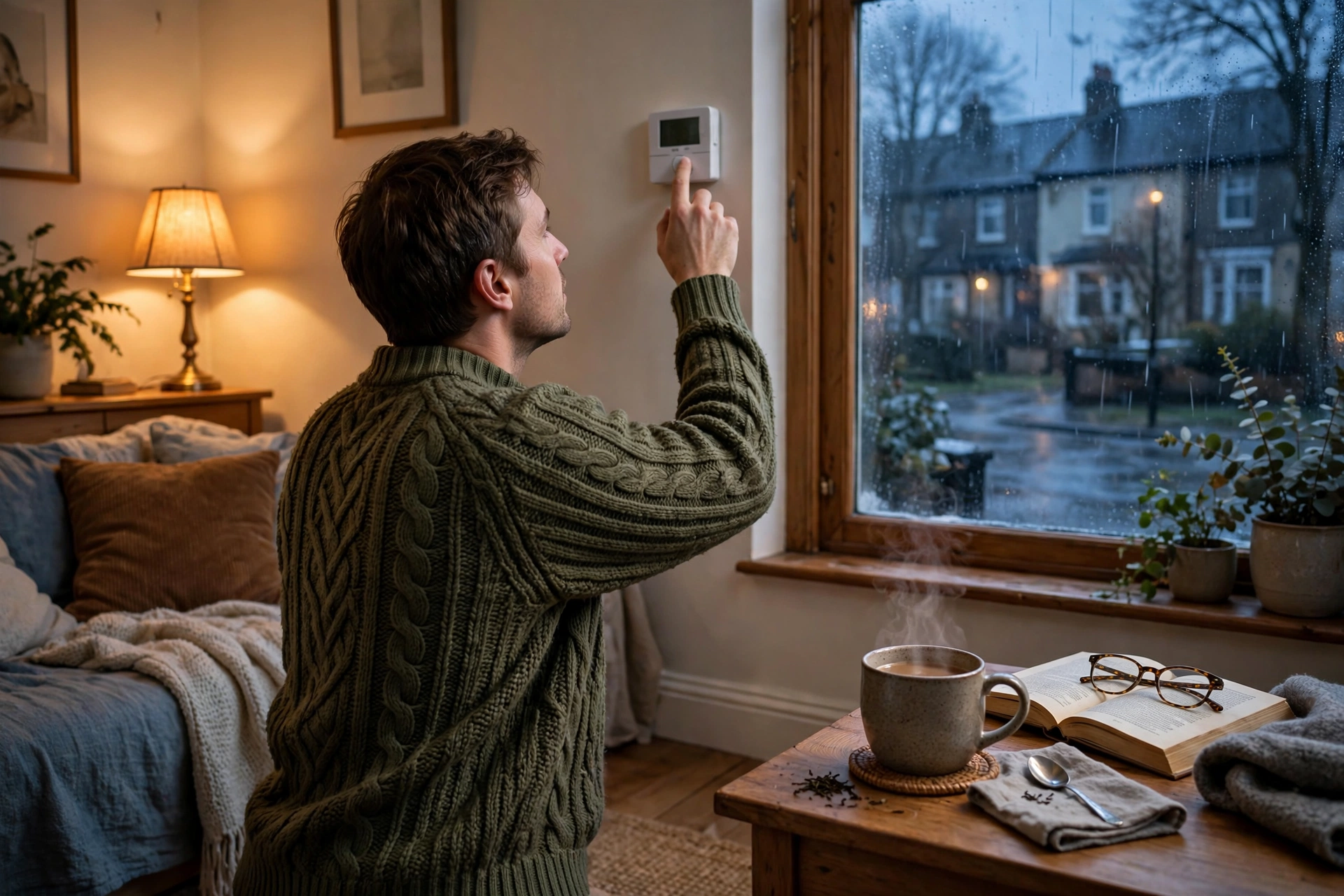
1. Turn the Thermostat Down by One Degree
It sounds almost too simple, but the thermostat is the single most powerful dial in the house. Many homes are heated a degree or two warmer than they need to be, simply out of habit. Dropping the setting by one degree is barely noticeable — most people cannot tell the difference — yet it trims the amount of time your boiler runs over the whole season.
The trick is to heat the person, not the whole house. If you are working at a desk or watching television in the evening, a jumper or a blanket does the same job as an extra degree on the thermostat, for free. Programmers and smart thermostats can help too: set the heating to come on shortly before you wake and before you return home, rather than running it all day.
2. Draught-Proof Your Doors and Windows
Warm air is expensive, and cold air sneaking in through gaps is money leaking out. Draughts around front doors, letterboxes, keyholes, and older sash windows are among the most common culprits in British homes — and among the cheapest to fix.
Self-adhesive foam strips, brush strips for the bottom of doors, and a simple cover for the letterbox can all be fitted in an afternoon with no special tools. Pay attention to the rooms you actually use: sealing the living room and bedrooms makes far more difference than draught-proofing a rarely used spare room.
3. Switch to LED Bulbs
If your home still uses older halogen or incandescent bulbs, swapping them for LEDs is one of the quickest wins available. LEDs use a fraction of the electricity for the same brightness and last far longer, so you buy replacements less often too.
Start with the lights that are on the most — the kitchen, the living room, the hallway — and work through the rest as older bulbs fail. It is a small outlay that keeps paying for itself through every dark winter evening.
4. Make the Most of Off-Peak Hours
Many households are on tariffs that charge different rates at different times of day. If yours does, running the dishwasher, washing machine, or tumble dryer during cheaper off-peak hours can reduce what you pay for the same chores.
A smart meter makes this easier to track, because you can see exactly when your usage spikes and what it costs. Even without one, a quick look at your tariff details — or a call to your supplier — will tell you whether cheaper overnight or weekend rates are available to you.
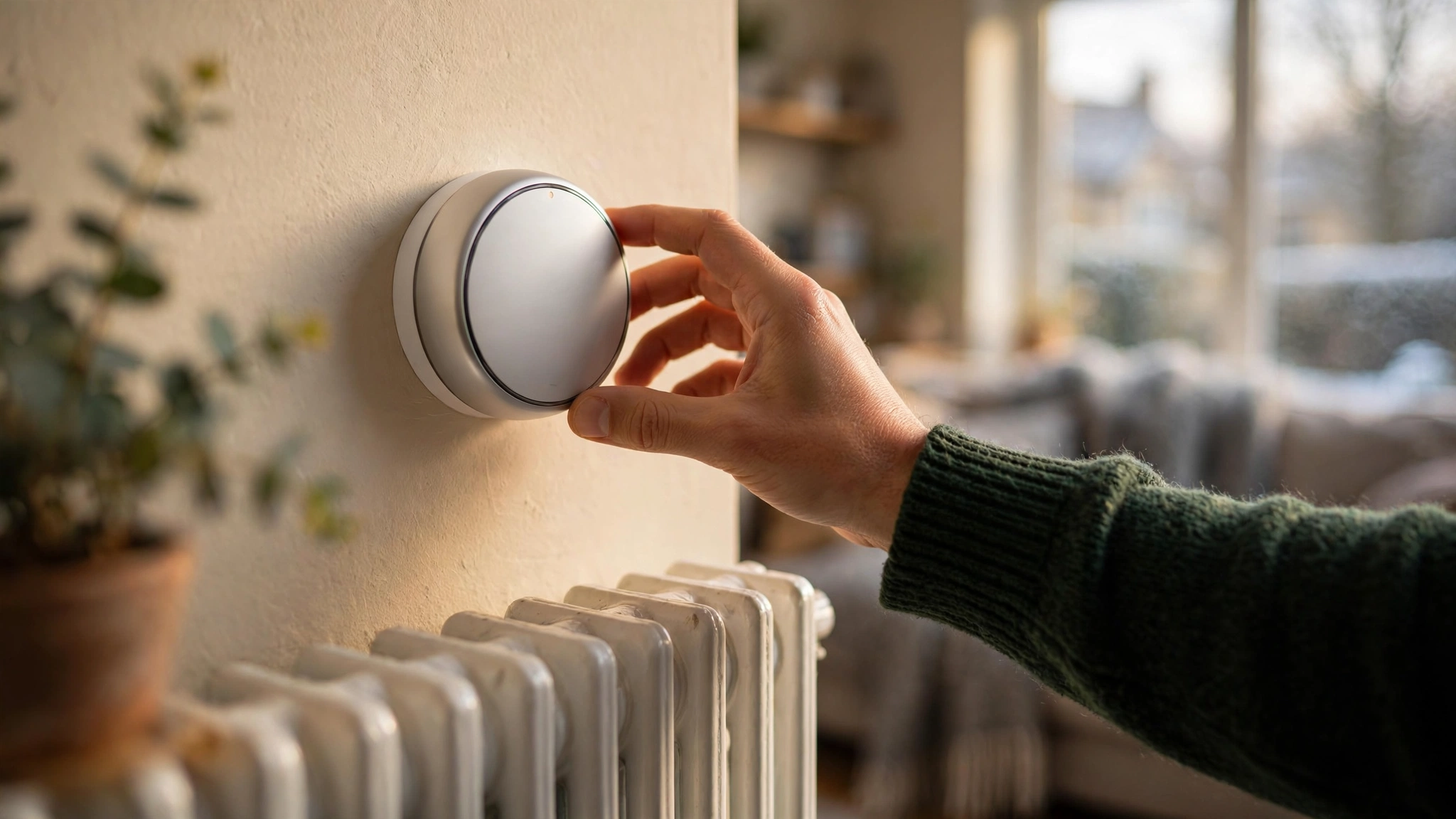
5. Look After Your Radiators
Radiators only do their job properly when heat can move freely. A sofa pushed up against a radiator, long curtains hanging over it, or a radiator covered with drying clothes all trap warm air where it does no good.
Bleeding radiators that are cold at the top is another quick job worth doing at the start of the heating season: trapped air stops them filling with hot water, so the boiler works harder for less warmth. Reflective panels fitted behind radiators on outside walls can also help bounce a little more heat back into the room instead of into the brickwork.
6. Wash Smarter, Shower Shorter
Hot water is one of the biggest hidden costs in the home. Washing clothes at 30 degrees instead of 40, waiting until you have a full load, and cutting a couple of minutes off the average shower all add up over a winter.
Kettles deserve a mention too. Boiling only the water you need — rather than filling the kettle to the brim for a single cup — is a tiny habit that saves a surprising amount of energy across hundreds of cups a year.
7. Check Your Tariff and Your Entitlements
Finally, the simplest check of all: are you on the best deal available to you? Tariffs change, and loyalty rarely pays. A comparison of what is on offer — and a call to your current supplier to ask whether they can match it — costs nothing and can pay off.
It is also worth checking what support you may be entitled to. Schemes such as the Warm Home Discount, Winter Fuel Payment, and help from local councils and charities exist precisely for the colder months, and many households who qualify never claim. A few minutes checking eligibility can be worth far more than any single energy-saving gadget.
Small Changes, Real Savings
None of these ideas will transform your bills overnight. But that is rather the point: winter energy saving is not about one grand gesture. It is about a handful of small, sensible habits that, kept up from October through March, quietly add up to real money saved — and a warmer, more comfortable home in the process.