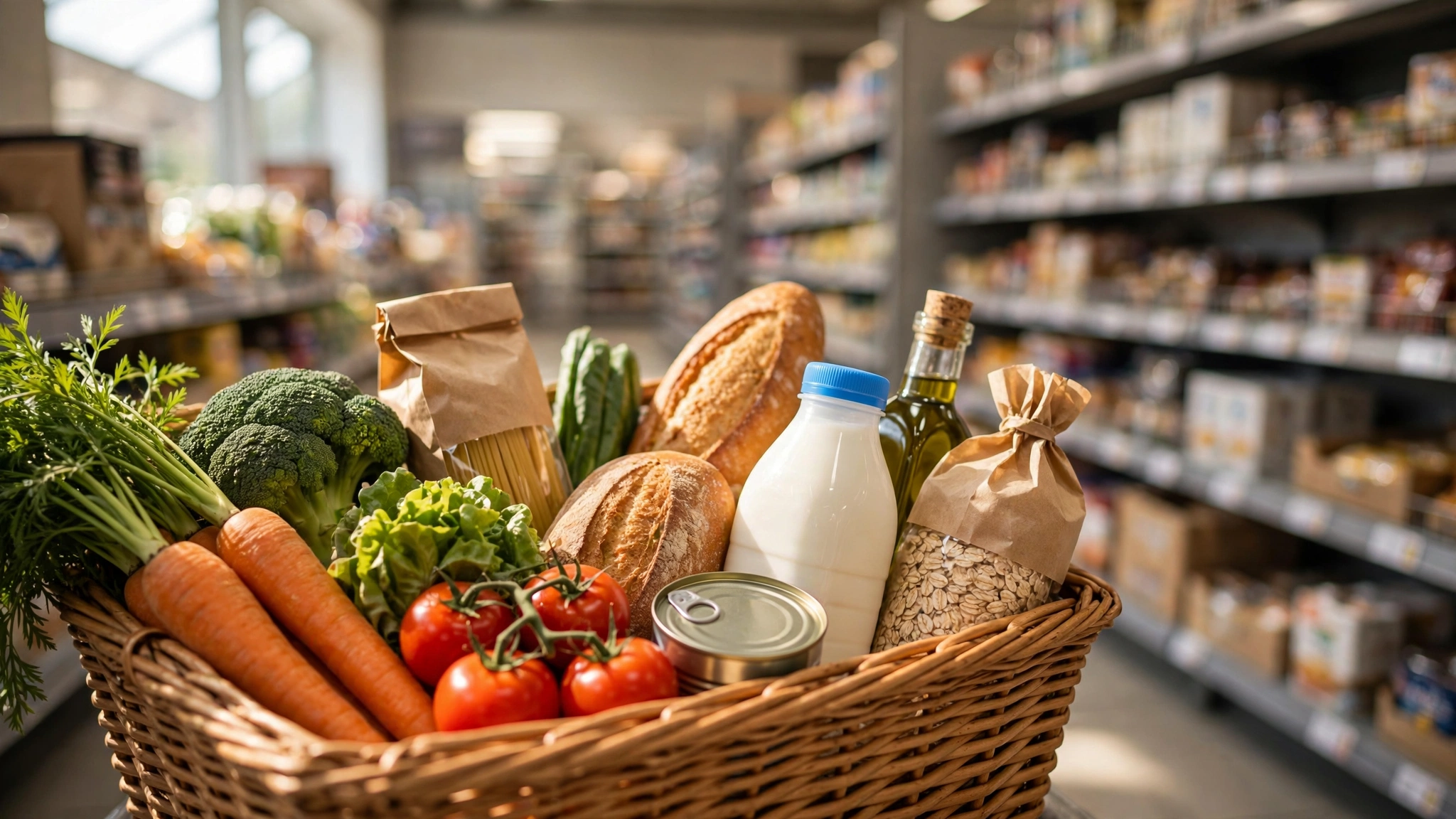
Walk down any supermarket aisle in the UK and the same question comes up: why does the weekly shop cost so much more than it used to? Food prices have climbed steadily, and for most households the grocery bill is now one of the biggest weekly outgoings after rent or mortgage and energy. The good news is that food is also one of the easiest bills to bring down — not by eating worse, but by shopping smarter.
None of the ideas below require extreme couponing or hours of effort. They are the ordinary habits that careful shoppers use every week, and together they can make a real difference to what you spend.
1. Plan Your Meals Before You Shop
The single most effective way to save money on food is also the simplest: decide what you are going to eat before you set foot in the shop. A meal plan for the week — even a rough one scribbled on the back of an envelope — stops the two most expensive shopping habits: buying things you already have, and buying things you never use.
Start by checking what is already in your fridge, freezer, and cupboards. Then plan five or six evening meals around what you have, using up leftovers and perishables first. Write a list from the plan, and stick to it in the shop. Shoppers who go in with a list consistently spend less than those who browse and decide as they go.
It also helps to plan for the reality of your week, not an idealised version of it. If you know Thursday will be a late night, plan something quick — a jacket potato, an omelette, a stir-fry — rather than an ambitious recipe you will abandon in favour of a takeaway.
2. Shop Own-Brand and Compare the Unit Price
Supermarket own-brand products have come a long way. For staples — pasta, tinned tomatoes, rice, oats, milk, eggs, bread — the difference between a branded product and the supermarket's own version is often small in taste and large in price. Trying the own-brand version of a few regular items is one of the quickest wins available.
The label to trust is the unit price: the small print that shows the cost per 100g, per litre, or per item. A bigger pack is not always better value, and a special offer is not always a saving. Comparing unit prices takes seconds and cuts through the packaging tricks. The same habit applies to promotions: "buy one get one free" only saves money if you would have bought two anyway and can use both before they go off.
3. Use Markets, Discount Shops, and the Reduced Section
Supermarkets are convenient, but they are rarely the cheapest place for everything. Local markets — for fruit, vegetables, meat, and fish — often beat supermarket prices, especially towards the end of the day when traders reduce prices to clear stock. Greengrocers and independent butchers can be competitive too, and buying exactly the quantity you need avoids waste.
The reduced-to-clear section, usually found near the end of the fresh aisles, is another reliable source of savings. Bread, dairy, meat, and ready meals marked down because they reach their use-by date that day are perfectly good if you eat or freeze them the same day. Many shoppers build their evening meal around what is reduced rather than the other way round — a habit that can halve the cost of a meal.
Discount supermarkets and value ranges have also changed the market. Even if you prefer to do your main shop elsewhere, buying tinned goods, cleaning products, and store-cupboard staples at a discount shop can shave pounds off the weekly bill.
4. Waste Less — It Is Money in the Bin
A significant share of the food British households buy ends up thrown away. The most common culprits are fresh fruit and vegetables, bread, and leftovers. Every item binned is money wasted — so reducing waste is effectively the same as cutting your bill.
The fixes are practical rather than preachy. Store fruit and vegetables properly (potatoes in a cool dark place, salad in the fridge, bread in a bread bin or frozen in slices). Cook the right amount — weighing rice and pasta is less exciting than it sounds, but it stops the endless cycle of cooking too much. And treat leftovers as an asset: last night's roast chicken becomes today's soup or sandwiches; leftover rice, cooled quickly and refrigerated, becomes tomorrow's fried rice.
Freezing is the single best tool against waste. Most cooked meals, soups, sauces, bread, and raw meat freeze well. A freezer full of labelled portions is a buffer against both waste and the temptation of an expensive takeaway on a tired evening.
5. Make the Most of Loyalty Schemes and Cashback
Most major supermarkets run loyalty schemes that reward regular shoppers with points, vouchers, or member-only prices. They cost nothing to join, and the savings add up over months. The trick is to use them passively — scan the card, collect the points — rather than letting them drive you to buy things you do not need.
Cashback apps and websites that reward grocery shopping can add a small extra return, and many banks now offer cashback on supermarket spending through their apps. None of these will transform your finances on their own, but stacked with the habits above, they are a useful top-up.
One warning: a loyalty price is only a saving if the item was on your list in the first place. A discounted chocolate bar you did not plan to buy is not a saving — it is spending.
6. Cook More, and Batch When You Can
Cooking from scratch is almost always cheaper than buying ready meals or ordering in, and it does not have to be complicated. A handful of reliable, cheap meals — a vegetable curry, a pasta bake, a bean chilli, a tray of roasted vegetables with sausages — can carry a household through the week for a fraction of the cost of ready meals.
Batch cooking takes this further: cook a double portion, eat one tonight and freeze one for next week. A freezer stocked with two or three homemade meals is the best defence against the "there's nothing in, let's order in" evening, which is where many food budgets quietly fall apart.
Small Habits, Real Savings
Saving money on food is not about deprivation. It is about planning a little, wasting a little less, and paying attention to what things actually cost. Most households that adopt even two or three of these habits find the weekly shop drops noticeably — and the food on the table is no worse for it. Start with the meal plan and the list. The rest tends to follow.